Key takeaway
Plan your 72 hours in Azerbaijan's capital with this practical day-by-day guide covering Old City, the Caspian boulevard, Heydar Aliyev Centre, and local food.
Day 1: Old City and Fountains Square
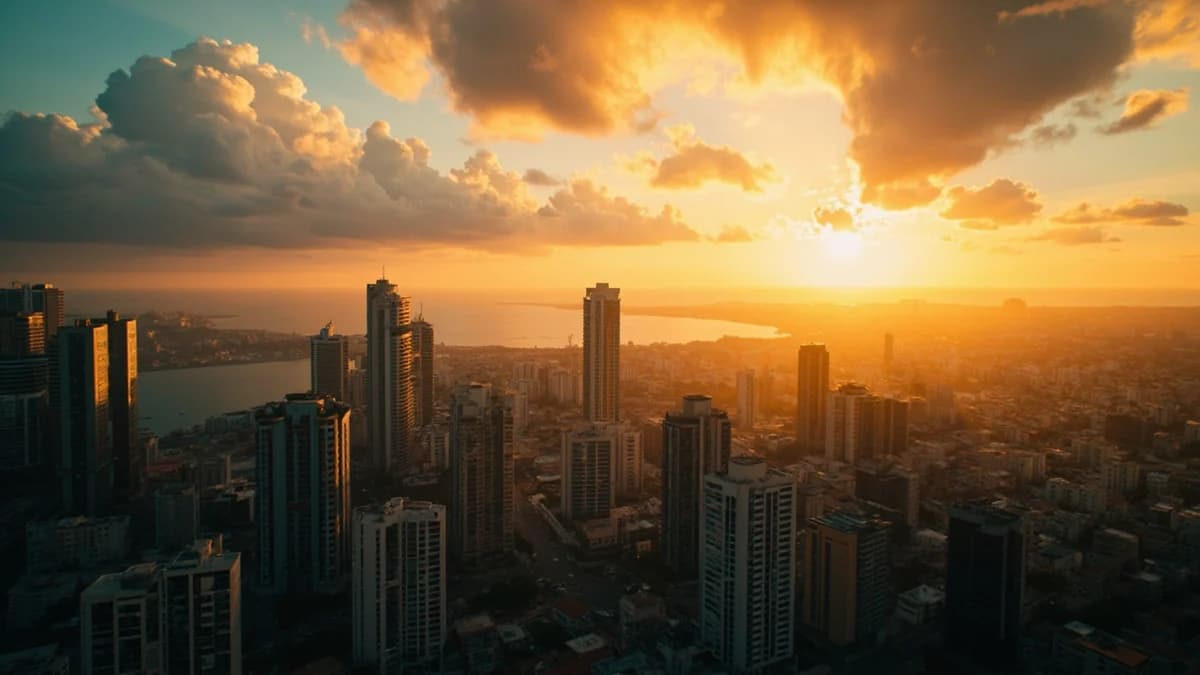
Your Azerbaijan visa is sorted, your flights are booked, and Baku is waiting. The city blends ancient Sassanid walls with glass towers that catch the Caspian light — and you have three days to experience both.
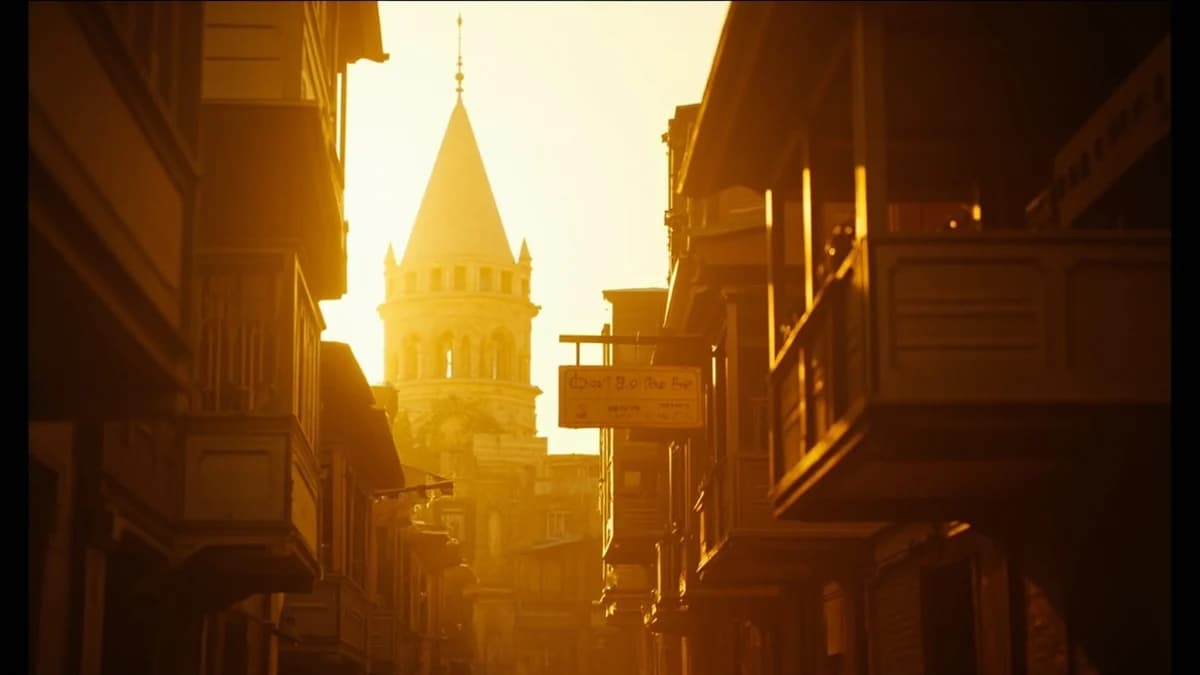
Start with the historic core. Icherisheher (Old City) is a UNESCO World Heritage Site where 12th-century fortifications enclose centuries of layered history. Your first stop should be the Maiden Tower, a stone sentinel that has watched over Baku for roughly 800 years. The tower rises about 28 metres, and the upper platform offers panoramic views over the Caspian and the city's newer skyline. Arrive on weekday mornings to beat the groups.
A short walk south brings you to the Palace of the Shirvanshahs — the seat of the Shirvan Shirvanshah dynasty. The complex includes the main palace, an Erdibay Mausoleum, and a bathhouse. Stone carvings, vaulted ceilings, and a peaceful courtyard make it one of Baku's most atmospheric sites. Budget 1.5–2 hours for a full walkthrough. Combined entrance to Maiden Tower and the Palace runs approximately 20 AZN.
For lunch near the Old City gates, try Sevimli Baki or the food courts around Boyuk Qala Street. Expect plov (saffron rice with herbs and sometimes meat), lavash-wrapped kebabs, and dolma. A filling lunch costs 8–15 AZN per person.
In the afternoon, walk south from Icherisheher along AZ1010 Azerbaijan Avenue to reach Baku's cultural district. The Azerbaijan National Art Museum and the Azerbaijan National History Museum are side by side on Neftchilar Avenue. Both charge around 10 AZN entrance. The art museum spans Soviet-era realism and contemporary Azerbaijani work; the history museum covers ancient petroglyphs, Silk Road trade, and the Caucasian Albanian heritage.
By early evening, make your way to Fountains Square (Fəvvarələr Meydanı). The square is the social heart of downtown Baku — outdoor cafés, street performers, and a steady flow of locals and visitors. It's a good spot to settle in for dinner. For Azerbaijani food, try Təzə Torpaq Qızardılmış, or wander north on Nizami Street (Istiglaliyyat Street) to the mix of European, Middle Eastern, and local options.
End Day 1 with a walk east to the Flame Towers — Baku's three glass skyscrapers that glow orange and red after dark. The view from the promenade near the Baku Congress Centre is free and worth the detour.
Day 2: Heydar Aliyev Centre and the Caspian Boulevard
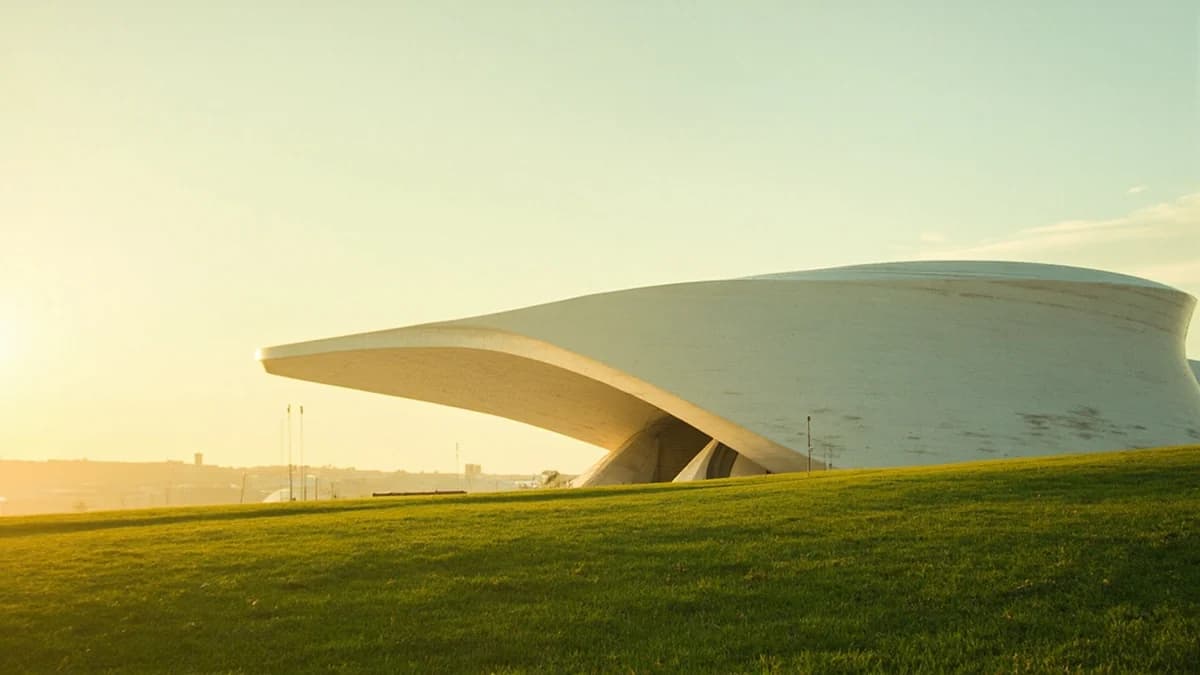
Day 2 focuses on Baku's modern identity. The Heydar Aliyev Centre, designed by Zaha Hadid and opened in 2012, is one of the most photographed buildings in the South Caucasus. The centre sits about 5 km from central Baku, and its flowing white form — ridged and seamless — is unlike anything in the region.
Inside, you'll find a permanent exhibition on Azerbaijan's history and Heydar Aliyev's presidency, a museum, and rotating galleries. The building's interior is as impressive as its exterior: swooping staircases, curved walls, and natural light that shifts through translucent panels. Allow 1.5–2 hours for a full visit. Admission is around 15 AZN. The site is open 10:00–18:00, closed Mondays.
To reach the Heydar Aliyev Centre, take the red metro line to Khatai station, then walk 15–20 minutes northwest or catch bus 165. A taxi from central Baku costs roughly 5–7 AZN.
After the Heydar Aliyev Centre, grab lunch in the Narimanov district. Quick options include chain restaurants near the centre and modest lokant (cafés) along Jafar Hadigat Street. Expect soup, kebabs, and Azerbaijani rice bowls for 5–12 AZN.
The afternoon is for the Flame Towers and Baku Boulevard. The Flame Towers consist of three towers — Flame Residential, Flame Office, and Hotel — each shaped to evoke flickering fire. The towers stand roughly 140 metres tall and are visible from nearly every vantage point in Baku.
The observation deck on the 52nd floor of Flame Office (sold as Flame Towers Baku) offers 360-degree views of the city, the Caspian, and the Absheron Peninsula. Tickets cost approximately 45 AZN. Sunset slots are the most popular — book at least a day ahead via the official website or at hotel concierge desks.
From the Flame Towers, cross the boulevard north to reach the Baku Boulevard (Dənizkənarı Milli Park). The promenade runs 3.5 km along the Caspian Sea from the National Flag Square to Flag Plaza. It's well-lit, well-maintained, and lined with outdoor cafés. Rent a bike, grab a coffee, or simply walk and watch the Caspian lap the shore.
Stop at the Azerbaijan Carpet Museum, housed in a building shaped like a rolled carpet. The permanent collection covers traditional Azerbaijani weaving techniques, regional styles, and historical carpets. Entrance is around 10 AZN. The museum is open 10:00–18:00, closed Mondays.
End Day 2 at one of the boulevard cafés for dinner with a sea view. Fresh fish, Caspian caviar (hazar balığı), and a glass of local white wine make a fitting close.
Day 3: Museums, Shopping, and Departure
Baku's e-visa can be completed online in minutes at /order-now. Visas typically process within 3 business days, so by Day 3 you'll have it confirmed and ready for travel. Make today count.
If the Flame Towers observation deck was fully booked on Day 2, try it first thing in the morning — conditions are clearer earlier in the day. Alternatively, spend a full morning at the Azerbaijan National Museum of History, Baku's largest museum with over 300,000 artefacts spanning ancient Caucasian Albania to the early 20th century. Expect carpets, numismatic collections, medieval Islamic art, and the famous Gobustan rock art reproductions. Entrance is around 15 AZN, and the museum occupies three floors — budget 2–3 hours.
For lunch, head to the area around the museum. Təzə Bazar (literally "fresh market") nearby offers produce, dried fruits, nuts, and ready-to-eat Azerbaijani snacks. It's loud, colourful, and one of the best food experiences in the city for under 10 AZN.
In the afternoon, walk or take the metro to Nizami Street (also called Istiglaliyyat Street), Baku's main pedestrian shopping street. Baku Branch and Baku Silver sell hand-painted Azerbaijani tea sets — good souvenirs that are easy to pack. For spices, dried herbs, and saffron, try the shops around the Old City gates.
Give yourself 2.5 hours between your final activity and your flight. Heydar Aliyev International Airport is 25 km northeast of the city centre. The Baku Metro does not connect directly, so either pre-book a transfer through your hotel or use a rideshare app. A metered taxi from central Baku costs 20–30 AZN to the airport.
Baku Transit Map: Metro, Bus, and Taxi Basics
Baku's public transit is straightforward once you know the basics:
- Baku Metro — 3 lines, running 06:00–00:00. Fares are 0.40 AZN per trip with a Bakinak card. Key stations for tourists: Sahil (boulevard), Icherisheher (Old City), 28 May (shopping district), and Ganjlik (shopping centre). Don't photograph inside metro stations — it is prohibited.
- Buses — Run across the city with Bakinak card support. Routes and real-time arrivals show in the Baku Transport app (Baku sərnişin).
- Taxis — Bolt and Uber both operate in Baku. Fares within central Baku are typically 3–8 AZN. Make sure the driver starts the meter, or confirm the price before you exit.
- Baku Card — The official app lets you load credit and pay for metro, bus, and some parking. Useful if you're staying more than two days.
FAQ
Is Baku worth visiting for 3 days? Absolutely. Baku packs centuries of history into a compact, walkable city, with modern architecture, a vibrant food scene, and the Caspian Sea right at its doorstep. Three days gives you enough time to see the highlights without feeling rushed.
Do I need a visa for Azerbaijan? Most travellers need a visa. Citizens of around 90 countries can apply online for an Azerbaijan e-visa, which is typically processed within 3 business days. Check the official Azerbaijan e-visa portal or apply through /order-now for guidance on your specific nationality.
What is the best time of year to visit Baku? Spring (April–May) and autumn (September–October) offer the most comfortable temperatures — ranging from 15–25°C — and the city hosts several cultural events. Summer can be quite hot (reaching 35°C), while winters are mild but frequently rainy.
How safe is Baku for tourists? Baku is generally very safe. Violent crime against tourists is rare, though you should keep an eye on belongings in crowded markets and metro cars. Tap water is potable, and medical facilities in central Baku are adequate for minor issues.
Can I use credit cards in Baku? Yes, in hotels, restaurants, and larger shops. Some smaller cafés, bazaars, and taxis prefer cash in Azerbaijani Manat (AZN). Exchange currency at the airport on arrival or at bank offices in the city — avoid street exchange booths.
What should I budget per day in Baku? A modest daily budget covers accommodation (60–120 AZN mid-range), meals (25–50 AZN), attractions (20–45 AZN), and transit (5–10 AZN). Baku is more affordable than Western European capitals, though tourist-facing restaurants and imported goods cost more.
Key Takeaways
- Baku's Old City (Icherisheher) is walkable and packed with UNESCO sites — plan at least half a day for Maiden Tower, Palace of the Shirvanshahs, and the lanes between.
- The Baku Metro is fast and cheap (0.40 AZN per trip) — get a Bakinak card at any station and you can tap in and out across metro and buses.
- The Heydar Aliyev Centre by Zaha Hadid is 5 km from central Baku — combine it with Flame Towers for a full modern-architecture day.
- Book Flame Towers observation deck tickets for sunset in advance — slots fill up fast and cloud cover can obscure views at other times.
- Azerbaijan e-visas typically process in 3 business days — apply at /order-now before you book non-refundable flights.
Azerbaijan Visa Editorial
Writes about Azerbaijan eVisa requirements, traveler tips, and fastest processing routes for visa applicants.
Ready to apply?
Start your Azerbaijan eVisa application now.