Key takeaway
Azerbaijan suits every traveller across all four seasons — but each brings a distinct mix of weather, costs, and cultural events. This guide walks you through every month so you can plan your trip around what matters most to you.
Why Timing Shapes Your Azerbaijan Trip
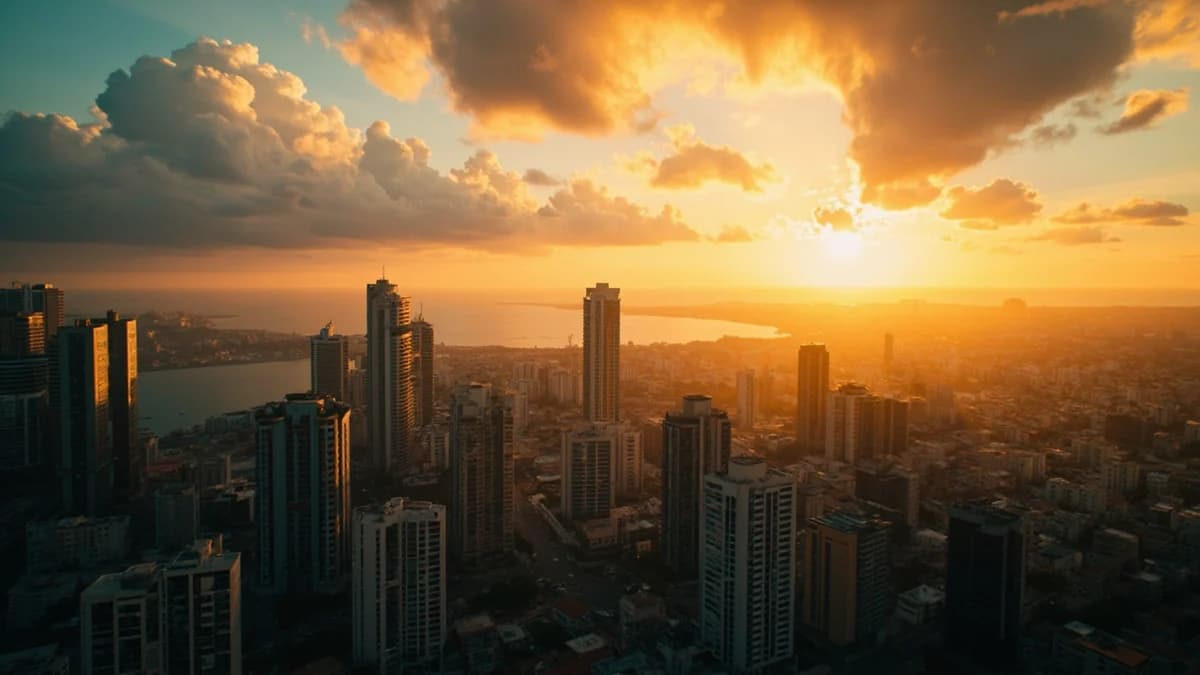
Azerbaijan punches well above its weight as a year-round destination. The country stretches from the sun-warmed Caspian coastline to the forested flanks of the Greater Caucasus, giving it a wider range of climates than most visitors expect. What that means in practice: you can ski in Qusar in January and sunbathe on the Absheron Peninsula in July — all in the same trip, if you plan it right.
Beyond weather, timing affects how much you pay, how crowded attractions feel, and whether you catch a world-class festival or a quiet local market. Visa processing adds another layer: applying through /order-now early gives you flexibility if you want to extend your stay or shift dates.
This guide breaks Azerbaijan down month by month so you can match your priorities — whether that's perfect hiking weather, budget travel, or catching a specific event — to the right window.
Azerbaijan's Seasons at a Glance
Spring (March – May)
Spring is arguably Azerbaijan's most flattering season. Temperatures climb from a brisk 10–15 °C in March to a comfortable 20–25 °C by May. The Caspian breeze keeps Baku pleasant, while the countryside greens up — the Alye (Jidar) rocks near Basqal look especially vivid against new growth. March brings Novruz Bayramı, the Persian New Year, which Azerbaijan celebrates with fire rituals, festive markets, and regional specialities like semeni (a sweet wheat pudding). It's one of the best times to be in the country.
Tourist volumes are moderate. Airfare and hotels start climbing in April but rarely hit summer peaks. This is prime window-dressing season for outdoor sightseeing — Gobustan rock carvings, the fire mountain of Yanar Dağ, the mountain village of Khinalug.
Summer (June – August)
Summer turns the lowlands hot. Baku sits at around 30 °C in July and August, though the Caspian coast offers a breeze. The Baku City Circuit Formula 1 Grand Prix (June) pulls massive international crowds — book accommodation months ahead if you're attending.
The highlands in the north stay cooler, making Qusar and the mountain villages a viable escape. July and August are peak months along the Caspian beaches at towns like Nabran. Overall, this is when everything costs the most and major attractions draw their longest queues. If heat and crowds don't bother you, you'll find the longest daylight hours and a buzzing nightlife scene in Baku.
Autumn (September – November)
Autumn reclaims the sweet spot. September and October bring 20–26 °C days, thinner crowds, and harvest festivals that make the wine regions of Shamakhi and Ismayilli especially lively. The Baku International Film Festival in late October draws cinephiles, while Baku's parks shift to amber and gold.
November is the quietest shoulder month. Temperatures drop to 10–17 °C, daylight shrinks, and some mountain roads become unreliable. Accommodation prices fall noticeably. You won't have sites to yourself, but you'll have far more space than July.
Winter (December – February)
Winter splits Azerbaijan in two. The lowlands — including Baku — stay relatively mild (5–10 °C), often above freezing. The northern mountains, by contrast, receive heavy snow and open for skiing and snowboarding at resort areas near Qusar. This is the Caspian coast's low season: many seaside restaurants and hotels close, but Naftalan's oil spas draw visitors seeking the therapeutic treatments unavailable anywhere else on earth.
Winter prices are the lowest of the year. Baku's December markets and New Year festivities add a festive layer. February tends to be the driest month, which can make it surprisingly workable for sightseeing between occasional cold snaps.
Month-by-Month Calendar
| Month | Avg High (Baku) | Crowd Level | Best For |
|---|---|---|---|
| January | 7 °C | Low | Ski trips, spa treatments, budget travel |
| February | 7 °C | Low | Cultural sightseeing, dry weather, value deals |
| March | 11 °C | Moderate | Novruz festival, fire temples, early blooms |
| April | 18 °C | Moderate–High | Hiking, Gobustan, garden landscapes |
| May | 25 °C | High | Outdoor sightseeing, coastal day trips |
| June | 30 °C | Very High | F1 Grand Prix, beaches, nightlife |
| July | 33 °C | Very High | Beach resorts, mountain escapes, peak costs |
| August | 33 °C | High | Beach resorts, cultural events |
| September | 28 °C | Moderate | Wine harvest, sightseeing, comfortable temps |
| October | 21 °C | Moderate | Walking tours, mountain scenery, festivals |
| November | 14 °C | Low | Museums, city breaks, spa trips |
| December | 10 °C | Low | Christmas markets, ski season start |
January – February
Cold and cheap. Baku sits around 7 °C with occasional dampness from the Caspian. The ski resorts north of Qusar open fully — this is peak ski season in the Caucasus foothills. Accommodation rates are at their annual floor. February tends to be the driest month, occasionally offering surprisingly clear days for sightseeing between cold fronts.
March
March starts brisk and warms steadily. The country's highlight is Novruz Bayramı (20–21 March), a multi-day celebration of the Persian New Year. Streets fill with music, fire jumps, and traditional foods. It's one of the most distinctive cultural experiences Azerbaijan offers and a strong reason to target March if you're flexible on weather.
April – May
The sweet spot for most visitors. April's 18 °C average and blooming countryside make it ideal for hiking Gobustan's semi-desert terrain and driving the M2 highway toward the mountain villages. May pushes toward 25 °C — warm enough for a beach day on the Absheron Peninsula before the summer crush arrives. Expect moderate crowds and rising but not prohibitive prices.
June
The summer season kicks into gear. Baku's F1 Grand Prix transforms the city — roads close, hotels multiply their rates, and the atmosphere is electric. Outside the capital, coastal towns open fully. June sits at the top of the summer peak: warm and lively, but slightly less crowded than July or August.
July – August
The hottest months. Baku regularly hits 33 °C, and the lowland regions turn dry and dusty. The Caspian coast is at its liveliest — this is beach season. Accommodation hits annual highs. July and August are best suited for coastal relaxation, mountain retreats, or early-morning sightseeing before the heat peaks.
September
The return of the ideal travel window. Daytime highs drop back to the mid-to-high 20s, the wine harvest begins in Shamakhi and Ismayilli, and the city breathes again after the summer rush. September sits at the top of many travellers' lists — comfortable, event-rich, and moderately priced.
October
October extends September's appeal with cooler air and changing foliage on the mountain slopes. The Baku International Film Festival (late October) adds cultural weight. Temperatures in the lowlands hover around 20 °C — perfect for extended walking tours. Mountain roads above certain elevations begin to close toward the end of the month.
November
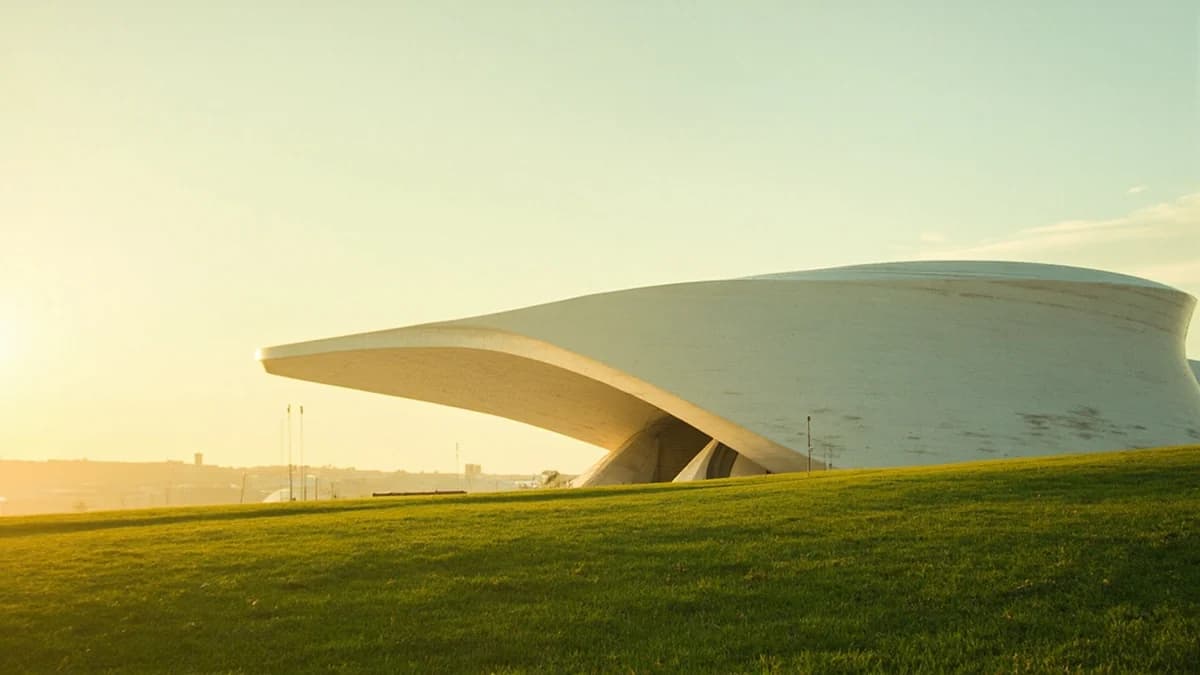
November marks the slide into winter. Temperatures drop to 10–17 °C, rain picks up, and tourist infrastructure winds down at the coast. Prices fall to near-winter lows. Baku's museums, the Carpet Museum, and Heydar Aliyev Centre come into their own. This is the best month for budget-conscious travellers who prioritises culture over outdoor activity.
December
Baku gets festive. Christmas markets pop up in Fountains Square, hotels decorate, and New Year events build through the month. Snow appears in the northern mountains, and ski lifts resume operation. The coast is quiet, but Baku compensates with seasonal energy. Daylight is short — roughly 9 hours — so plan sightseeing accordingly.
Key Events and Festivals by Season
- Novruz Bayramı (March): The most important date in Azerbaijan's cultural calendar. Fire rituals, music, street food, and a four-day public holiday make this the country's liveliest celebration.
- Baku City Formula 1 Grand Prix (June): One of the most dramatic street circuits in the world. Tickets sell out fast; accommodation in and around Baku spikes significantly.
- Baku International Film Festival (October): A respected regional cinema event with screenings across the city and Q&A sessions with filmmakers.
- Shamakhi and Ismayilli Wine Harvest (September–October): Traditional wine-making regions open their doors for tastings, harvest tours, and feasts. A must for food and wine travellers.
- Caspian Media Forum and Baku International Book Festival (various dates): Smaller but well-attended cultural events that reflect Azerbaijan's growing arts scene.
- Ramazan (Ramadan, dates vary): Observed by Azerbaijan's Muslim population. Restaurants may close during daylight hours in affected areas, but evenings bring lively iftar meals. Low impact on most tourist itineraries.
FAQ
What is the best month to visit Azerbaijan overall?
October is the strongest all-around choice for most travellers. Temperatures sit around 20–21 °C, autumn colours are appearing in the mountains, and the Baku International Film Festival adds cultural depth. September is equally compelling if you want warmer days and the wine harvest.
Does Azerbaijan have very different climates across regions?
Yes. The Absheron Peninsula and lowlands have a semi-arid climate with hot summers and mild winters. The Greater Caucasus mountains in the north receive heavy snowfall and can be cold year-round at altitude. The Lankaran region in the south is more humid and subtropical. Pack layers and check regional forecasts if you're planning to travel between zones.
What is the cheapest time to go to Azerbaijan?
January and February offer the lowest accommodation and flight prices. Baku hotel rates can drop 30–40% compared with peak summer. The trade-off is cold weather and reduced daylight for sightseeing, though ski resorts in the north are at their best.
When is it too hot to comfortably explore Baku?
July and August are the most challenging months for daytime sightseeing, with Baku regularly hitting 33 °C and high humidity off the Caspian. Schedule outdoor activities for early morning or evening, and plan to spend midday in air-conditioned museums and cafes.
Does the season affect Azerbaijan visa processing?
Visa processing times are generally consistent year-round. However, application volumes spike ahead of major events like Novruz (March) and the F1 Grand Prix (June), so submitting your application 4–6 weeks in advance is especially wise during those windows.
Is February a good time to visit Azerbaijan?
February works well if you're after low costs, dry weather, and cultural sightseeing. Baku stays largely free of tourists, hotels offer strong rates, and you can combine city exploration with a therapeutic trip to the Naftalan oil spas. Ski trips in the northern Caucasus are at their best during this period.
Key Takeaways
- Spring (Mar–May) and autumn (Sep–Nov) offer the most comfortable weather and the country's best festivals.
- Summer (Jun–Aug) is peak season — highest prices, longest days, and the exciting Baku F1 Grand Prix.
- Winter (Dec–Feb) delivers the cheapest rates, ski opportunities in the north, and mild coastal conditions.
- Weather varies dramatically between the Caspian lowlands and the Caucasus mountains — plan layers and regional routes accordingly.
- Apply through /order-now at least 4 weeks before arrival to keep your travel dates flexible and avoid seasonal processing delays.
Azerbaijan Visa Editorial
Writes about Azerbaijan eVisa requirements, traveler tips, and fastest processing routes for visa applicants.
Ready to apply?
Start your Azerbaijan eVisa application now.