Key takeaway
Plan your perfect 3 day Baku itinerary covering the UNESCO-listed Old City, a Gobustan day trip, and the best of Azerbaijani cuisine.
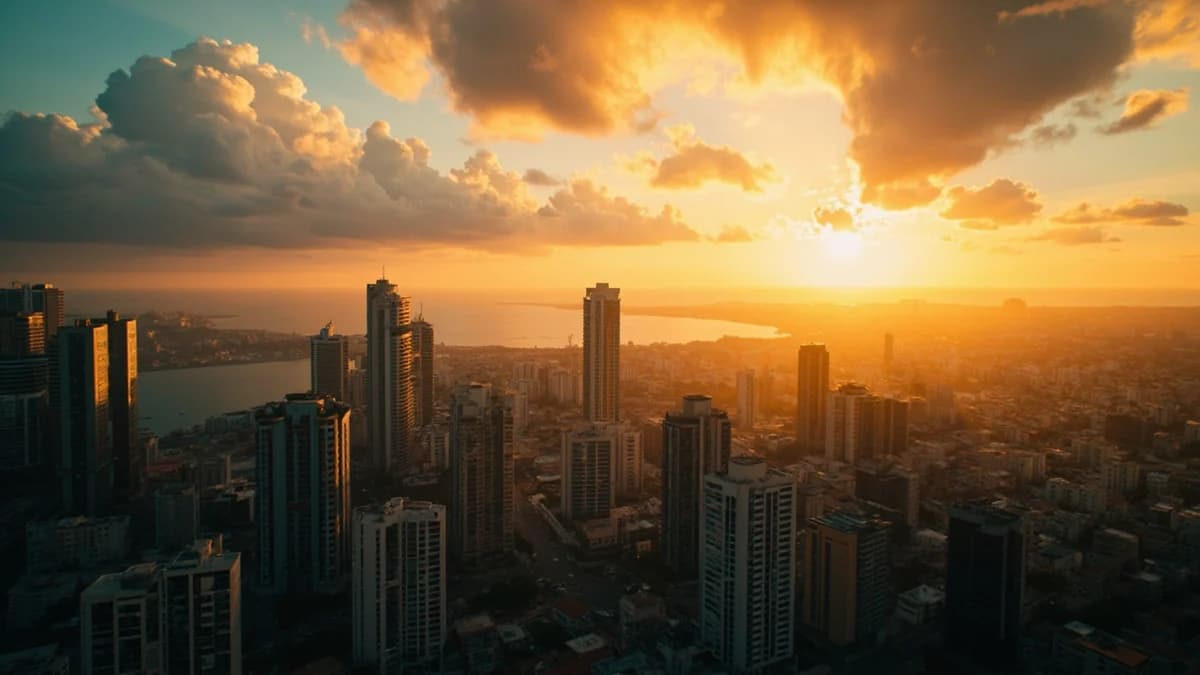
Baku is a city where old and new collide in ways that catch even seasoned travellers off guard. Cobblestone lanes lead to Soviet-era boulevards, which give way to glass-and-steel towers along the Caspian waterfront. This 3 day Baku itinerary gives you a clear plan for each day — so you can apply for your Azerbaijan visa at azerbaijan-visa.com, pack your bag, and arrive ready to explore.
Day 1: Exploring Baku's Old City (Ichari Shahar)
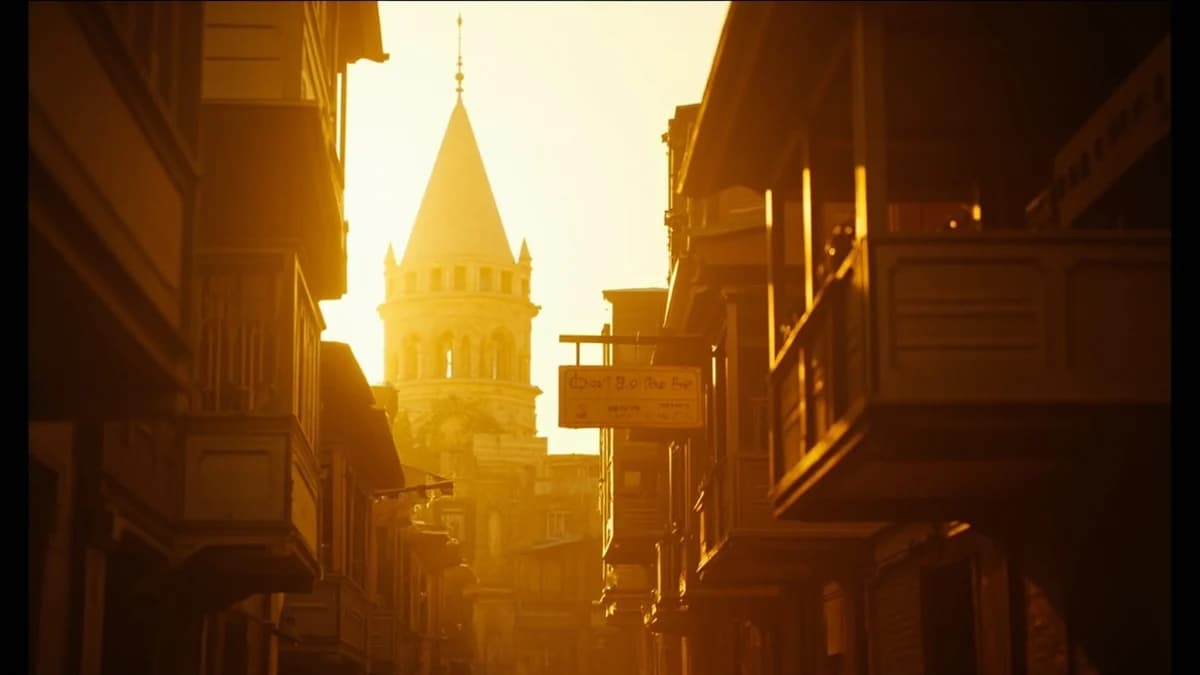
Your first morning in Baku should start in the Old City, locally called Ichari Shahar. This UNESCO World Heritage Site is one of the oldest parts of Baku, with walls dating back to the 12th century. You can walk the entire district in under an hour, but you will want to linger.
Start at the Maiden Tower (Qız Qalası), Baku's most recognisable landmark. The tower rises 29 metres and has puzzled historians for generations — its original purpose remains disputed. Climb to the top for views over the Caspian Sea and the现代 downtown. A combined ticket with the Palace of the Shirvanshahs costs around 15 AZN and grants access to both sites. The palace complex, built in the 15th century, includes a mausoleum, mosque, and bathhouse — all in remarkably good condition.
After the palace, walk south along Muğam Street toward the Bazaar of Baku. Unlike the tourist-oriented shops on Nizami Street, this market still functions as a local produce hub. You will find dried fruits, spices, saffron, and fresh herbs. It is a good spot to pick up a few edible souvenirs before moving on.
End the afternoon at Fountain Square (Fontovskaya Ploshchad), the social hub at the southern edge of the Old City. Tea houses line the square, and most serve baklava and local tea. Sit for 30 minutes, adjust to the pace, and watch the city move around you.
Day 2: Gobustan Day Trip
Day two is built around a full-day excursion to Gobustan, located about 60 kilometres south of Baku. Most visitors do this as a half-day trip and return for an evening in the city, but the full experience takes closer to six hours with travel time included.
Book a licensed guide or arrange transport through your accommodation. A return taxi from Baku costs roughly 40–60 AZN and takes 1.5–2 hours each way depending on traffic. The road passes through suburban Baku, so you will see a different side of the country on the way out.
Your first stop should be the Gobustan Rock Art Cultural Landscape, a UNESCO site covering petroglyphs carved into volcanic boulders up to 40,000 years old. The carvings depict hunters, animals, ritual dances, and ships. A small on-site museum explains the dating methods and symbolism. Admission is around 10 AZN for international visitors.
From the petroglyph site, drive another 15 minutes to the Gobustan Mud Volcanoes. Azerbaijan holds the world's largest concentration of mud volcanoes — roughly 350 of the estimated 700 globally are here. The site feels otherworldly: grey-brown mud cones bubble and hiss, and the surrounding terrain looks like a lunar landscape. Do not touch the mud directly; it can reach 100°C in active vents. The area is safe to walk around on marked paths.
On your return, stop briefly at Ateshgah, the temple of fire worshippers on Baku's outskirts. Zoroastrian monks maintained an eternal flame here until the 19th century. The site is small — 30 minutes is enough — and sits within a short detour of the main highway back to the city.
Arrive back in Baku by mid-afternoon. Use the remaining daylight to walk the Baku Boulevard, the tree-lined promenade stretching 3.5 kilometres along the Caspian shore. Stop at the Flame Towers, three curved skyscrapers lit with an LED display that simulates dancing fire at night.
Day 3: Food Scene and Modern Baku
Baku's food scene is one of the Caspian region's most underrated. Azerbaijani cuisine draws from Persian, Turkish, and Russian traditions, but the result is distinct. Day three is dedicated to eating your way through the city.
Breakfast at Caycuma or a local chaikhana near the Old City. Order a spread: tomato-and-egg dish (shakshuka), local cheese, olives, honey, and plenty of fresh lavash bread. Azerbaijani tea is strong, slightly bitter, and served in small pear-shaped glasses. Breakfast for two rarely exceeds 15 AZN.
Lunch should involve plov, Azerbaijan's national dish. The classic version features rice cooked in saffron, layers of slow-cooked lamb or beef, dried apricots, and chestnuts. Mugam Club and Sumakh in the Old City area serve reliable plov in atmospheric settings. Expect to pay 12–20 AZN per person.
Afternoon snack at the Taza Bazar, Baku's central food market. Stalls sell fresh kebabs, qutab (stuffed flatbreads), and Dovga (yogurt soup). The market is louder and less polished than tourist restaurants, which means the food is better and the prices are honest. Point at what looks good — most vendors do not speak English but are used to international visitors.
For dinner, try a modern Azerbaijani restaurant. S叼 Prive and Nigar Restaurant reinterpret traditional dishes with contemporary plating. This is also a good opportunity to sample dovga, badimjan, and piti (a lamb-and-chickpea stew served in individual clay pots). Reserve a table if you plan to eat after 8 pm — Baku's dinner service starts late.
End the evening at Nizami Street for a nightcap. The boulevard's western end has wine bars and cafes with outdoor seating. Azerbaijani wine, particularly the native maran and rkatsiteli varieties, is worth exploring.
FAQ
Do I need a visa to visit Azerbaijan? Most nationalities need a visa. You can apply online through azerbaijan-visa.com for the standard or urgent processing tiers. The standard e-visa is processed within 3 business days.
What is the best time of year to visit Baku? Spring (April–May) and autumn (September–October) offer mild temperatures around 20–25°C. Summers are hot, exceeding 35°C, and winters can be cold with occasional snow near the Old City.
How do I get from Baku Airport to the city centre? Baku Metro connects Heydar Aliyev International Airport (GYD) to the city centre with a single line change at Khatai station. The journey takes about 40 minutes and costs less than 1 AZN. Taxis through ride-hailing apps cost roughly 15–20 AZN.
Is Baku safe for solo travellers? Yes. Baku has low crime rates against tourists. The Old City and main tourist areas are well-lit and busy. Standard urban precautions apply — secure valuables and avoid unlit streets late at night.
What currency does Azerbaijan use? The Azerbaijani manat (AZN). Credit cards are accepted at hotels, large restaurants, and supermarkets. Carry cash for small vendors, markets, and taxis.
How easy is it to communicate in English in Baku? English is limited outside tourist-facing businesses. In hotels, restaurants on Nizami Street, and major attractions, staff typically speak basic English. Learning a few phrases in Azerbaijani — or having a translation app ready — helps in local markets and residential areas.
Key Takeaways
- Baku's Old City (Ichari Shahar) is compact and walkable — spend your first morning here before the afternoon tour groups arrive
- Gobustan is a must-do day trip; combine the petroglyphs, mud volcanoes, and Ateshgah into one excursion
- Azerbaijani food is hearty and affordable — prioritise plov, qutab, and local tea at chaikhanas rather than hotel restaurants
- Apply for your Azerbaijan visa online before booking flights; the process is straightforward through azerbaijan-visa.com
- Three nights gives you enough time for the Old City, Gobustan, and a relaxed food day without feeling rushed
Azerbaijan Visa Editorial
Writes about Azerbaijan eVisa requirements, traveler tips, and fastest processing routes for visa applicants.
Ready to apply?
Start your Azerbaijan eVisa application now.