Key takeaway
Plan your Azerbaijan summer visit with our guide on beating Baku heat, where locals escape the heat, and how to apply for your e-Visa at azerbaijan-visa.com.
Why Summer Draws Travellers to Azerbaijan
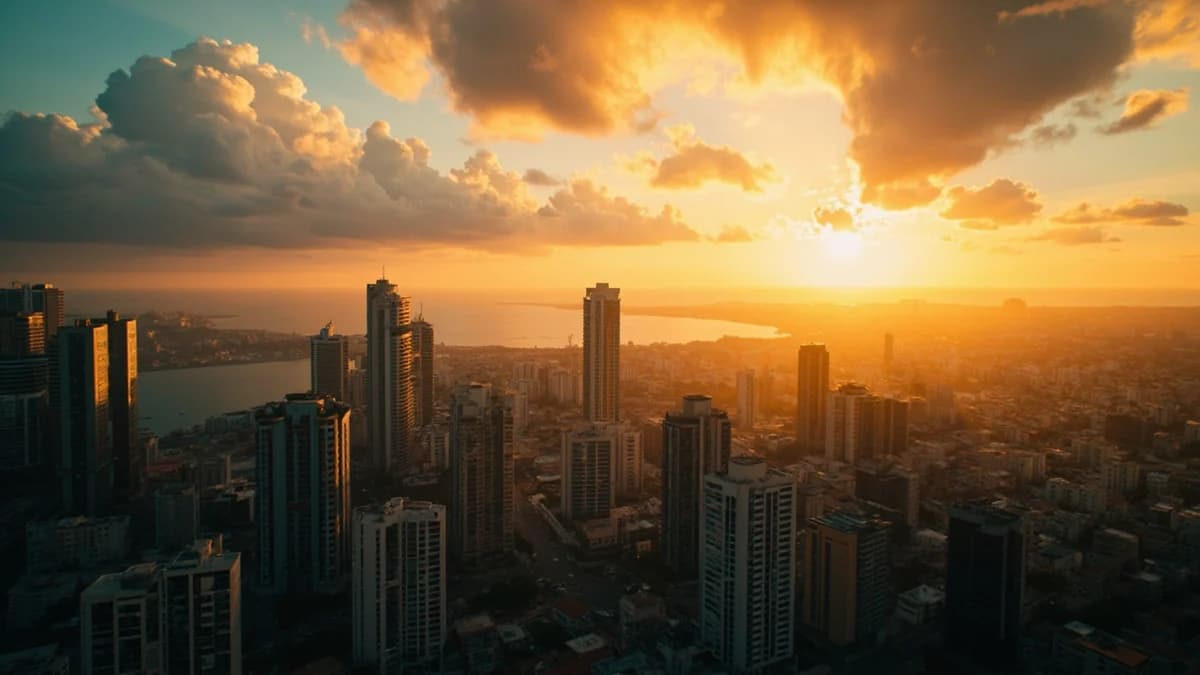
Azerbaijan summer visit plans are heating up — literally. Between June and August, Baku transforms into a sun-soaked city where the Caspian Sea breeze provides the main relief from temperatures that regularly climb above 35°C. Yet despite the heat, summer remains one of the most popular times for tourists to explore this South Caucasus gem.
The appeal is straightforward: long daylight hours, vibrant cultural events, and the chance to combine a dynamic city break with escapes to cooler mountain villages and coastal retreats. If you are considering a summer trip, applying for your e-Visa early at /order-now ensures you have one less thing to organise before packing your sunscreen.
The Azerbaijan e-Visa system makes entry straightforward for most nationalities. You submit your application online, receive approval within three working days for standard processing, and collect your visa upon arrival. Plan ahead, and the bureaucratic steps will be the only cool part of your trip.
Beating the Baku Heat
Baku sits at a low elevation along the Caspian coast, and in summer, the city retains heat well into the evening. The urban heat island effect makes central districts noticeably warmer than surrounding areas. Here is how smart travellers manage the climate:
Timing matters more than anything. Schedule serious sightseeing for 7:00–11:00 AM or after 5:00 PM. The Flame Towers, the Old City (Icherisheher), and the promenade along the Caspian are far more pleasant before the afternoon sun reaches full intensity.
Hydration stations are everywhere. Azerbaijani culture involves generous tea service, and Baku's newer developments include public drinking fountains. Carry a refillable water bottle and accept every offered cup of çay — it is both a cultural courtesy and practical hydration.
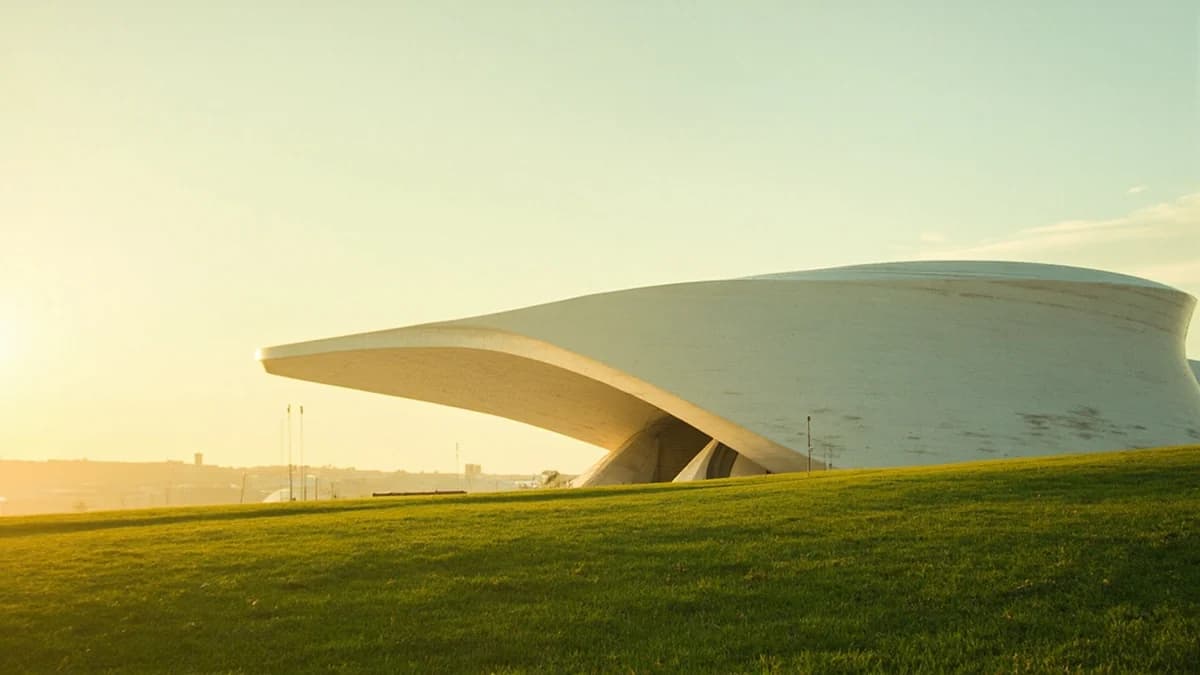
Seek out Baku's climate-controlled attractions. The Heydar Aliyev Centre, with its flowing architecture and reliable air conditioning, offers world-class design exhibits in a comfortable environment. Similarly, the Baku Art Museum and the Azerbaijan National Museum of Art provide indoor alternatives during peak heat hours.
Use the metro. Baku's metro system is air-conditioned, inexpensive, and connects most major districts. Moving underground is one of the most practical ways to cool down while covering ground quickly.
Where Locals Go: The Summer Escapes
Azerbaijan's geography offers dramatic relief within a few hours of Baku. Locals do not endure the capital's summer — they leave it. Understanding these escape routes helps you plan a well-rounded trip beyond the city.
The Northern Mountains: Gabala and Sheki
Gabala, roughly 220 kilometres northwest of Baku, sits at a higher elevation where summer temperatures average 10°C cooler than the capital. The region encompasses mountain forests, the ancient Kish Temple, and resorts designed for exactly this kind of getaway. Visitors rent cars or take buses from Baku's Bus Station, and many spend two to three nights to explore properly.
Sheki lies further east but at similar elevation, known for its silk workshop traditions and the Khan's Palace. The historic caravanserai buildings now function as boutique hotels, many with gardens that stay pleasantly cool in summer. Sheki makes an excellent overnight addition if you are driving toward the Georgia border.
The Caspian Coast Beyond Baku
The Azerbaijan coastline extends well beyond the capital. Towns like Mardakan, Shuvelan, and the Bilgah beach area offer local weekend getaways with Caspian Sea access. Many feature private beach clubs where you pay a day fee for sun loungers, food service, and relief from the city heat.
The southern coast near Lankaran is less developed for tourism but rewards travellers interested in birdwatching and the Talish cultural region. Infrastructure is simpler here, making it a choice for travellers seeking something beyond the typical Baku-Mountain circuit.
The Fire Mountain and Desert Fringe
Yanardag, the perpetually burning mountain on the Absheron Peninsula, draws visitors year-round but is particularly striking at dusk when the flames are most visible against cooling darkness. Pair this with a visit to the Ateshgah temple complex and you have a half-day excursion that showcases why Azerbaijan earned the "Land of Fire" moniker.
Summer Events Worth Planning Around
Azerbaijan summer visit plans gain depth when you align them with local events. The calendar in Baku especially offers things that do not appear in standard tourist brochures.
Baku International Jazz Festival (biennial, typically June in odd years) brings international performers to venues across the city, including outdoor concerts along the waterfront. Check the festival website for the current schedule, as timing varies.
Wine season begins in late summer. September marks the grape harvest in regions like Shamakhi, one of Azerbaijan's historic wine-growing areas. Some wineries open to visitors during this period — contact them directly to arrange tastings. This is a quieter travel period compared to July and August but offers authentic cultural experiences.
National Day celebrations (28 May) commemorate the first Azerbaijani Republic and feature parades, concerts, and public events. If your trip aligns with this date, the atmosphere in Baku is festive and worth experiencing.
Evening waterfront activity increases dramatically in summer. The Baku Boulevard promenade extends 3.5 kilometres along the Caspian and fills with families, joggers, and food vendors after sunset. The Ferris wheel near the Azerbaijan National Academic Drama Theatre offers views over the illuminated city and sea.
Practical Tips for Summer Travel in Azerbaijan
Dress for the climate and culture. Light, breathable fabrics work well for heat, but Azerbaijan remains a modest country where covering shoulders and knees is appropriate for mosques, religious sites, and many restaurants. Pack a light cardigan or scarf for mosque visits and indoor venues where air conditioning runs strong.
Sun protection is non-negotiable. The Azerbaijani sun is intense, particularly near water and at higher elevations where UV exposure increases. A wide-brimmed hat, quality sunglasses, and SPF 30+ sunscreen are essential items.
Currency and payments: The Azerbaijani manat (AZN) is the local currency. Credit cards are accepted at larger hotels, restaurants, and shops in Baku but cash remains necessary in smaller towns and rural areas. ATMs are widely available.
Language: Azerbaijani is the official language, but Russian is widely spoken, particularly among older residents and in service industries. English is increasingly common in Baku's tourist-facing businesses. Learning a few Azerbaijani phrases — "Salam" (hello), "Təşəkkür edirəm" (thank you), "Necədir?" (how much?) — earns goodwill everywhere.
Transport: Baku's taxi apps ( Bolt, Uber, and local alternatives) are inexpensive and reliable. Between cities, marshrutkas (shared minibuses) depart from specific bus stations and offer the cheapest option. Private drivers or rental cars provide more flexibility for mountain routes.
FAQ
When is the best time to visit Azerbaijan in summer?
Late May through early June and September offer the most comfortable temperatures. July and August are hot, especially in Baku, but also bring the most events and longest daylight hours for sightseeing.
How do I apply for an Azerbaijan e-Visa?
Submit your application at azerbaijan-visa.com/order-now. Standard processing takes three working days; urgent and super-fast options are available. Ensure your passport is valid for at least six months beyond your planned entry date.
Is Baku safe for solo travellers in summer?
Baku is generally safe for solo travellers, including women. Standard urban precautions apply — watch your belongings in crowded areas and use registered taxis or rideshare apps for transport at night.
What should I pack for a summer trip to Azerbaijan?
Light, breathable clothing works for most situations, plus one layer for mosque visits and air-conditioned interiors. Include sturdy walking shoes, sun protection, and a refillable water bottle. A universal power adapter (type C or F) is needed for European-style outlets.
Are there beach destinations near Baku?
Yes. The Absheron Peninsula offers several beach clubs within 30–60 minutes of Baku, including Bilgah and Turkan. These are popular with locals on weekends. The Caspian coast north and south of Baku also has beach facilities.
Can I visit Azerbaijan's mountain regions in summer?
Absolutely. Summer is the ideal season for Gabala, Sheki, and the Caucasus foothills. Temperatures are significantly cooler than Baku, and roads are fully accessible. Book accommodation in advance during peak July and August weekends.
Key Takeaways
Apply for your e-Visa at /order-now at least three working days before travel — standard processing is reliable for summer trips.
Schedule outdoor sightseeing for early morning or late afternoon; midday heat in Baku regularly exceeds 35°C from June through August.
Escape to Gabala, Sheki, or the Caspian coast for cooler temperatures, mountain scenery, and local summer culture.
Book accommodations and major attractions early — July and August are peak tourist months in Baku.
Azerbaijan's summer offers more than heat: combine waterfront evenings, air-conditioned museums, and mountain retreats for a complete trip.
Azerbaijan Visa Editorial
Writes about Azerbaijan eVisa requirements, traveler tips, and fastest processing routes for visa applicants.
Ready to apply?
Start your Azerbaijan eVisa application now.