Key takeaway
Baku im Winter bedeutet weniger Touristen, günstigere Hotelpreise und ein vielfältiges Kulturangebot. Kombinieren Sie Ihre Stadterkundung mit einem Ausflug ins Shahdag Mountain Resort und erleben Sie ein rundum gelungenes Winterabenteuer – alles mit einem Aserbaidschan-E-Visum, das Sie auf azerbaijan-visa.com beantragen können.
Why Winter Makes Azerbaijan Unexpectedly Rewarding
Azerbaijan earns its reputation as a summer destination, but travellers who venture here during the colder months discover a side of the country that feels distinctly their own. Winter along the Caspian coast is mild, while the Caucasus Mountains in the north receive heavy, reliable snowfall. This geographic contrast means you can spend mornings wandering Baku's historic streets and afternoons carving through powder at a purpose-built ski resort — all on a single trip.
The practical case is equally compelling. Fewer visitors mean shorter queues at major attractions, hotel rates that drop significantly compared with peak season, and a pace that rewards unhurried exploration. Azerbaijan's e-visa system makes entry straightforward: apply at azerbaijan-visa.com, receive approval, and travel without a embassy appointment. Once you land, getting around Baku is simple, and a winter road trip north to the mountains is one of the country's most underrated travel experiences.
What to Expect From Baku in Winter
Winter is Baku's best-kept secret among seasoned travellers. Temperatures between November and March typically range from 3°C to 10°C — cold enough to need a warm jacket, but far from the freezing conditions many visitors expect. The city itself is well-prepared for winter, with efficient central heating in hotels and restaurants that makes indoor comfort easy.
January and February are the quietest months for tourism, which translates into shorter queues at the Azerbaijan National Academic Opera and Ballet Theatre, easier reservations at top restaurants, and a more relaxed pace at the Azerbaijan National Carpet Museum. The Baku Winter Festival at the Flame Towers brings seasonal light displays and community events that draw local crowds — an opportunity to experience Azerbaijani hospitality at its warmest.
Cold-weather activities in the city include browsing the stalls of the Taza Bazar for spices, dried fruits, and local crafts; exploring the UNESCO-listed Icherisheher (Old City) on a crisp morning when tour groups have thinned; and walking the Baku Boulevard waterfront promenade along the Caspian Sea. The Azerbaijan State Academic Philharmonic Hall runs a seasonal concert programme from autumn through early spring, offering classical and jazz performances in ornate historic venues. Workshops on Azerbaijani carpet weaving and calligraphy operate year-round and provide a rich indoor cultural activity when temperatures dip.
Discovering Shahdag Mountain Resort
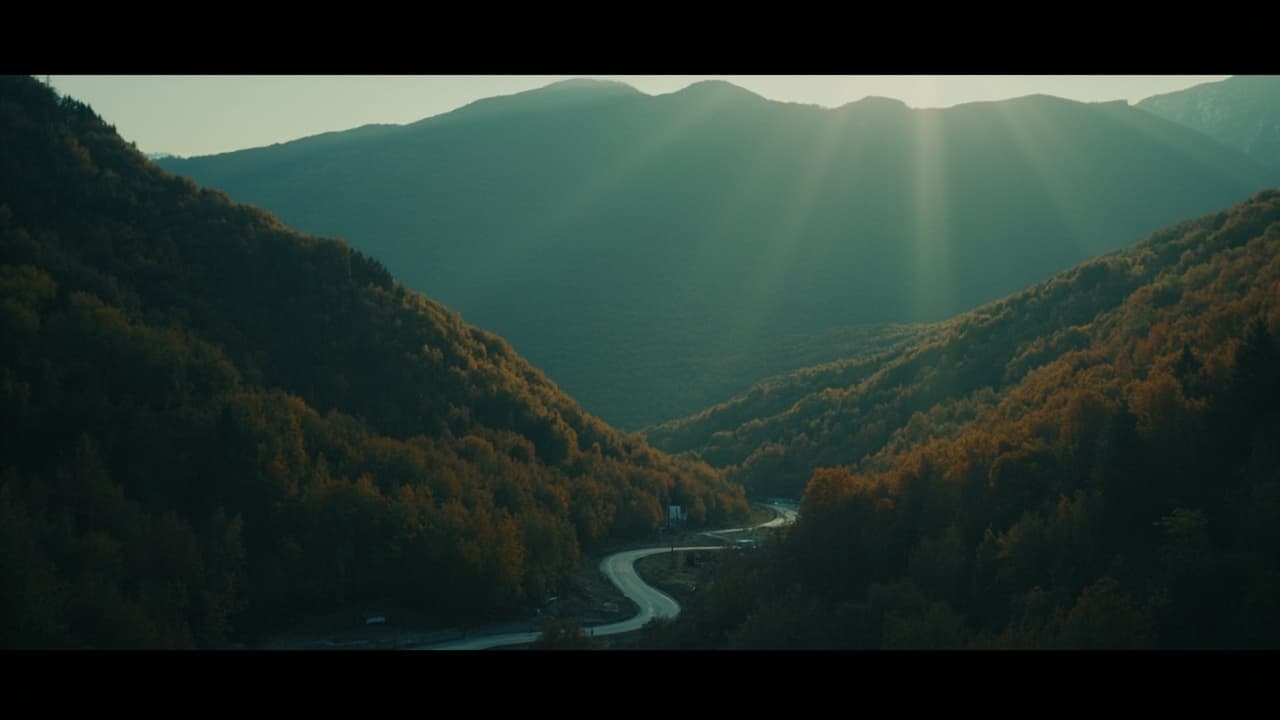
The real surprise for winter visitors is the quality of skiing available just a few hours from Baku. The Caucasus Mountains that stretch along Azerbaijan's northern border receive substantial snowfall each winter, and the Shahdag Mountain Resort takes full advantage of this geography.
Shahdag sits roughly 170 kilometres north of Baku in the Qusar district, about a three-hour drive from the capital. Opened in stages beginning in 2011, the resort has developed into the most comprehensive winter sports facility in the Caucasus region. Modern gondola lifts, well-maintained pistes, and a growing range of on-mountain amenities make it viable for travellers spending a week or more in Azerbaijan.
The resort caters to beginners through advanced skiers. Gentle nursery slopes at the base area provide a safe introduction, while the intermediate run known as Forest Road winds through pine forest and offers longer, scenic descents. Expert skiers head to black-diamond routes such as Chinar and Ağbal, which offer steeper pitches and variable conditions. Snow cannons supplement natural snowfall during milder spells, helping maintain coverage through the season.
Non-skiers are not left out. Snowmobile tours, horse-drawn sleigh rides, spa facilities, and guided mountain walks give alternative ways to experience the winter landscape. On-mountain dining ranges from quick cafés serving snacks to full restaurants offering traditional Azerbaijani dishes — theplov, lamb kebabs, anddolma— in a ski-lodge atmosphere.
Equipment rental is available on-site, so you do not need to bring your own gear if you prefer not to. A ski school runs group and private lessons for beginners. The resort typically opens from November through March, with January and February offering the most reliable snow conditions. Check current snow reports before planning a day trip, as conditions vary year to year.
Practical Travel Guide for Winter Visits
Getting There and Around
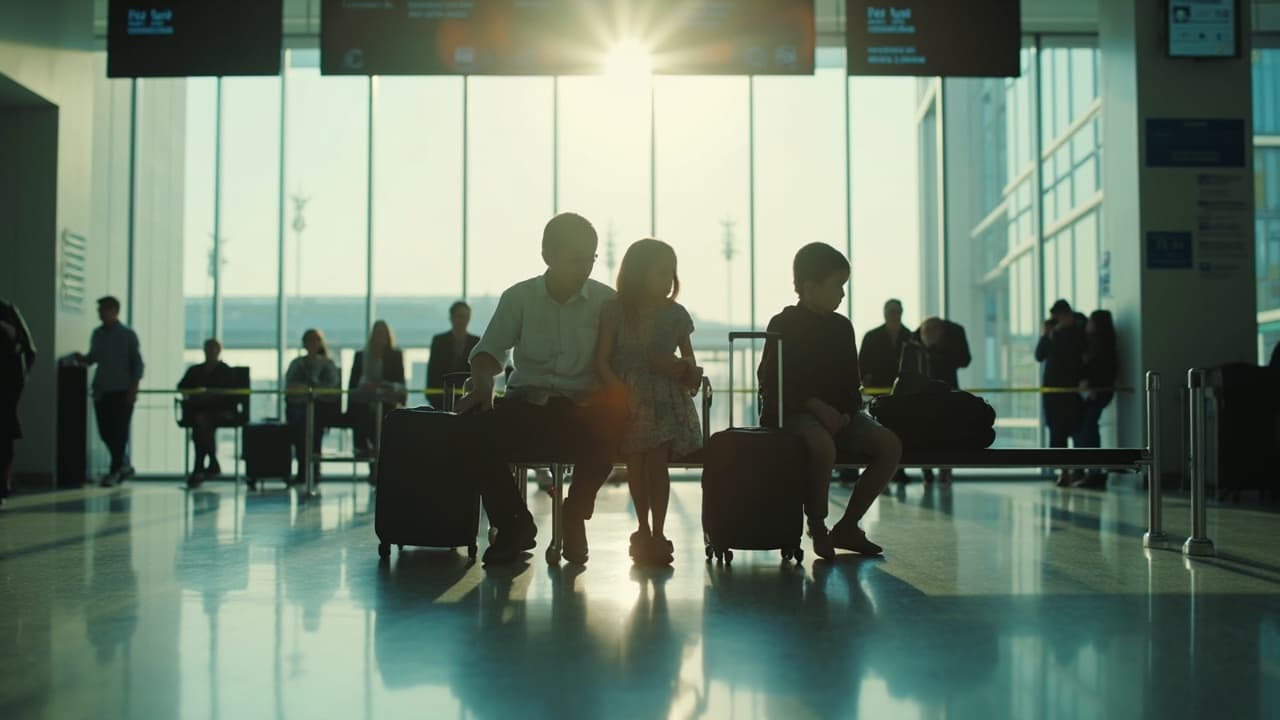
International arrivals come through Heydar Aliyev International Airport (GYD) in Baku, which handles flights from major European, Middle Eastern, and Asian hubs year-round. Azerbaijan e-visas are processed online and linked electronically to your passport — no embassy visit is required.
From Baku to Shahdag, several options exist. Daily bus services connect Baku's bus stations with the Qusar region, though schedules are less frequent in winter. Shared taxis (marshrutkas) depart from the Baku bus terminal and offer a faster, door-to-door alternative. Hiring a car with a driver is the most comfortable option for a day trip, giving you flexibility to stop along the road north through the mountain foothills.
Within Baku, the metro system is efficient, affordable, and largely insulated from surface weather. Taxis via Bolt and Uber are widely available and inexpensive. If you plan to explore the Absheron Peninsula or travel further afield, a rental car with a local driver is more practical than relying on public timetables.
What to Pack
Layering is the key to comfort in an Azerbaijani winter. A typical packing list for a Baku-plus-mountains itinerary includes:
- Thermal base layers and fleece or wool mid-layers
- A waterproof, windproof outer shell jacket
- Warm hat and insulated gloves — critical for time at Shahdag
- Sturdy, waterproof footwear suitable for both city streets and snowy terrain
- Ski equipment if you prefer your own gear; rent locally otherwise
Temperatures in Baku hover between 3°C and 10°C, while Shahdag regularly sees -5°C or below with significant wind chill on exposed slopes. Pack accordingly for both environments.
Navigating the Calendar
FAQ
Can I apply for an Azerbaijan e-visa in winter?
Yes. The Azerbaijan e-visa system operates year-round with no seasonal restrictions. Standard processing takes up to three business days, but urgent and super-fast tiers are available if you need approval sooner. Apply through azerbaijan-visa.com before booking your flights to allow time for processing and any unexpected delays.
How cold does it get in Baku during winter?
Baku's winter temperatures typically range from 3°C to 10°C between December and February. The city rarely experiences extreme cold, but wind off the Caspian Sea can make it feel chillier than the temperature suggests. Indoor spaces are well-heated, so layered clothing handles the transition between outside and inside comfortably.
Is Shahdag a real ski resort with reliable snow?
Shahdag is a fully developed ski resort with snow cannons, multiple lifts, and maintained pistes across ability levels. Snowfall in the Caucasus region is generally reliable from January through February, though conditions vary from season to season. Check current conditions before your visit, particularly if travelling in November or March when coverage can be thinner.
Is Baku worth visiting in the winter?
Absolutely. Winter removes the peak-season crowds, brings down hotel prices, and creates a more intimate atmosphere for visiting museums, galleries, and historic sites. Cultural events such as the Baku Winter Festival and seasonal concerts at the Philharmonic add programming that does not exist in summer. Cold-weather days are offset by heated cafés and restaurants where you can warm up with Azerbaijani tea and local cuisine.
How do I get from Baku to Shahdag?
Shahdag is roughly 170 kilometres north of Baku, about a three-hour drive. Options include daily bus services from Baku's central bus station, shared taxis (marshrutkas) that depart when full, or arranging a private car and driver through your hotel or a travel agency. A private transfer gives the most comfort and schedule flexibility for a day trip.
What is the best time to visit Azerbaijan in winter?
January and February offer the most reliable snow at Shahdag and the quietest tourist season in Baku. December brings festive atmosphere and holiday events but may have thinner mountain coverage. March is transitional — mild in Baku but with potential Nowruz closures affecting business hours — making it less predictable than the midwinter months.
Key Takeaways
- Azerbaijan rewards cold-season visitors with shorter attraction queues, reduced hotel rates, and a pace that suits unhurried exploration of Baku and the Caucasus Mountains.
- Shahdag Mountain Resort delivers genuine skiing infrastructure within easy reach of Baku, making it a practical addition for winter sports enthusiasts on a multi-day trip.
- Apply for your Azerbaijan e-visa early through azerbaijan-visa.com; standard, urgent, and super-fast processing tiers let you match urgency to your travel timeline.
- Pack layered, waterproof clothing and sturdy footwear to handle Baku's mild coastal winters and Shahdag's sub-zero, snowy mountain conditions.
- Plan airport transfers and Shahdag transport in advance — winter road conditions and seasonal bus timetables can affect schedules, so confirm arrangements before departure.
Azerbaijan Visa Editorial
Writes about Azerbaijan eVisa requirements, traveler tips, and fastest processing routes for visa applicants.
Ready to apply?
Start your Azerbaijan eVisa application now.