Key takeaway
El otoño es la temporada baja para viajar a Azerbaiyán. Los vibrantes colores del Cáucaso, los productos de temporada y un clima agradable lo convierten en el destino ideal para quienes visitan el país por primera vez. Solicita tu visa electrónica en /order-now y descubre Azerbaiyán en su época más colorida.
Azerbaijan wears autumn differently than most destinations. While summer draws crowds to Baku's Caspian waterfront, autumn settles over the country in shades of amber, rust, and gold. The Caucasus foothills blaze with colour, the pomegranates in Gobustan markets swell to bursting, and the tea houses of the old city fill with the unhurried rhythm of locals and visitors alike. If you have been thinking about a Baku travel trip or a deeper exploration of Azerbaijan's regions, autumn is the season to go. Applying for your Azerbaijan e-Visa at /order-now takes a few minutes, and once approved, the country opens up.
Why Autumn is Azerbaijan's Best-Kept Secret
Most travellers associate Azerbaijan with summer festivals and Baku's busy social calendar. That reputation is not wrong, but it misses what makes autumn genuinely special here. September through November delivers comfortable daytime temperatures (18–25 °C in Baku, 12–18 °C in the mountains), lower humidity, and skies that stay clear longer than in spring. The summer tourist surge has passed, which means lower prices at hotels and more space at popular restaurants.
Autumn also aligns with the Azerbaijani harvest calendar. This is when local markets overflow with the season's best produce — pomegranates piled high in conical displays, persimmons turning orange on wooden crates, quinces releasing their floral perfume from fruit stands. The country's culinary identity sharpens in autumn, making it one of the best times for food-motivated travellers.
The question is not whether Azerbaijan is worth visiting in autumn. It clearly is. The real question is how to make the most of it with the time you have.
Baku in Autumn: City Walking and Garden Districts
Baku makes an excellent autumn base. The city is compact enough to explore on foot, and the tree-lined boulevards of the inner city take on a quiet beauty in October that summer crowds simply do not allow. The Fountains Square area and the Baku Crystal Hall promenade are pleasant for morning walks before the midday sun warms the boulevard.
Autumn is the right time for the absorbable side of Baku travel: the Azerbaijan National Art Museum, the Museum of Miniature Books, and the carpet museum. These indoor spaces offer air-conditioned depth after a morning of walking. The Palace of the Shirvanshahs in the Icherisheher (Old City) is equally rewarding in autumn — the stone walls hold the day's warmth, and the courtyard gardens frame well against clear October skies.
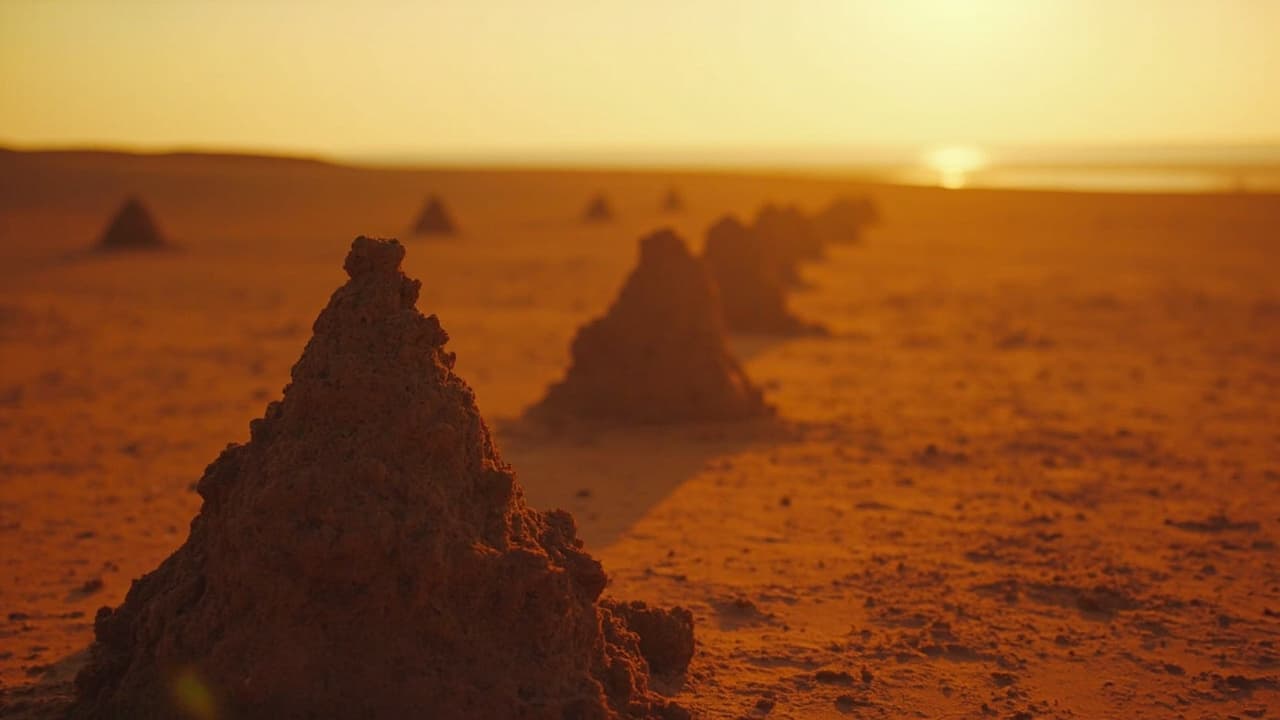
For travellers with extra days, Baku also works as a launch point for regional excursions. The mud volcanoes of Gobustan, the fire mountain of Yanardag, and theAbsheron Peninsula temples are all within a 40–60 minute drive and pair well with a full morning in the Old City.
Day Trips: The Caucasus Foothills in Full Colour
The real spectacle of an Azerbaijan autumn visit happens outside Baku. The road north toward the Caucasus mountains climbs through terrain that transitions from semi-desert scrub to forested hillside within a few hours of leaving the city. By late September, the oak, hornbeam, and beech forests of the foothills glow in shades of yellow and burnt orange.
Sheki, a 4–5 hour drive northeast of Baku, is one of the most rewarding autumn destinations in the country. The historic Sheki Khan's Palace, with its intricate mosaic windows, sits at the edge of a town surrounded by forested hillsides that peak in October. Sheki's craft tradition — silk weaving and the distinctive sheki piti (a lamb and chickpea stew) — is best experienced when the surrounding landscape matches the warmth of the kitchen. The mountain town of Ganja, Azerbaijan's second-largest city, sits on a different route heading northwest and offers its own blend of parks and regional food culture.
The road from Baku to Sheki passes through stretches of countryside where roadside vendors sell roasted chestnuts, fresh honey from mountain apiaries, and dried fruit strings by October. Stopping at these stalls is not a tourist act — locals do the same.
Khinalig, the highest village in the Caucasus foothills at over 2,300 metres elevation, offers a more demanding autumn excursion. The village sits above the tree line, so autumn colour here is starker and more dramatic — scrubland turning gold against rock faces and distant peaks. Access requires a 4x4 vehicle or a guided tour, and the road is rough but manageable in dry autumn weather.
Autumn Harvest Cuisine: What to Eat and Where
Azerbaijan's food culture peaks in autumn. The season shapes the menu in markets, restaurant kitchens, and the home tables of families across the country. Understanding this connection is one of the most rewarding parts of an autumn visit.
Pomegranate is the defining ingredient. It grows abundantly in Azerbaijan's southern regions, and by October it appears everywhere — in fresh juice stalls, as a salad ingredient drizzled with sumac, and as the centrepiece of a special-occasion plov. The Azerbaijani pomegranate plov (nar-plov) layers rice with saffron, dried fruits, and fresh pomegranate seeds. It is a celebration dish, but in autumn it appears on menus far more frequently than at other times of year.
Qutab — thin flatbreads filled with herbs, pumpkin, or minced meat — is the street food that works at every hour. Find it at market stalls in Baku's Tephen market or at the casual restaurants lining Baku's Nizami Street. In autumn, pumpkin and herb varieties are at their most flavourful.
Regional autumn dishes reflect the local landscape. The Lankaran and Astara regions in the south, near the Talysh Mountains, produce tea, rice, and pomegranates. Gabala, the former summer capital north of Baku, is surrounded by orchards and vineyards. The mountain settlements of the northwest — around Shaki and Zaqatala — have their own tradition of dried fruit, honey, and smoked meat that intensifies in autumn as supplies are laid down for winter.
Tea culture deserves a specific mention. Azerbaijan has a deep tea-drinking tradition, and autumn is when the tea houses are most comfortable. The ritual of serving çay from a small glass, often accompanied by jam, is consistent across Baku's tea houses and the village stops on longer road trips. Sitting in a Baku çayxana in October, watching the boulevard through an open window, is one of the simplest and most genuine travel experiences the city offers.
Practical Tips for Your Autumn Azerbaijan Trip
An Azerbaijan autumn visit does not require special gear, but a few practical choices improve the experience.
E-Visa: Citizens of most countries qualify for Azerbaijan's e-Visa. The online application at /order-now requires a completed form, a passport photo, and the applicable fee. Standard processing takes up to 3 business days. If your travel dates are tight, urgent processing is available — check the options at /order-now before booking your flight. Bring a printed copy of your e-Visa approval and ensure your passport is valid for at least 6 months from your intended entry date.
Weather: Baku averages 18–22 °C in October. The mountains drop to 10–15 °C. Pack layers — a light jacket or fleece and a base layer for mornings, which can be surprisingly cool at altitude.
Itinerary: Five to seven days covers Baku comfortably and allows one or two regional excursions. A 10-day trip enables Sheki, Gobustan, and a slower pace in the Old City.
Currency: The Azerbaijani manat (AZN) is used throughout the country. Cash is useful at markets and rural tea houses; cards are accepted at most Baku hotels and restaurants.
Language: Azerbaijani is the official language. Russian is widely spoken, especially in Baku. English is common in hotels and tourist-facing venues but limited outside the capital.
FAQ
Do I need a visa to visit Azerbaijan as a tourist? Most nationalities can apply for an Azerbaijan e-Visa online. The application is straightforward, with standard processing within 3 business days. Check your eligibility before booking travel.
What is the best month to visit Azerbaijan in autumn? October offers the best balance of autumn colour, comfortable temperatures, and availability. September is slightly warmer; November is quieter but some mountain routes may begin closing.
Is autumn a good time for hiking in the Caucasus regions of Azerbaijan? Yes. Early to mid-autumn (September–October) is ideal for trekking. Trails around Sheki, Khinalig, and the Absheron Peninsula are accessible and scenic. November brings cooler temperatures and potential rain at higher elevations.
What should I pack for an autumn trip to Azerbaijan? Pack layers — a light jacket, long sleeves, comfortable walking shoes, and a light rain layer. Baku is mild, but mountain areas cool significantly, especially in the mornings and evenings.
Can I use Baku as a base for day trips in autumn? Baku is well-suited as an autumn base. Day trips to Gobustan, the Absheron Peninsula, and even Sheki (with an early start) are feasible. For Sheki and the northern Caucasus foothills, an overnight stay is more comfortable.
Is the Azerbaijan e-Visa enough for multiple entries? The standard tourist e-Visa is a single-entry visa. If you plan to cross into Georgia or another neighbouring country and return, you may need a different visa type — verify this with the official Azerbaijan visa portal before travel.
Key Takeaways
- Autumn (September to November) is the ideal season for an Azerbaijan visit, offering mild weather, vibrant Caucasus foliage, and peak harvest cuisine.
- Baku in autumn suits walkers and food travellers — the city is less crowded, and seasonal markets showcase the best of Azerbaijani produce.
- Regional destinations like Sheki and Khinalig offer dramatic autumn scenery and authentic food experiences that reward travellers who venture beyond the capital.
- The Azerbaijan e-Visa system simplifies entry for most nationalities — apply at /order-now before booking flights and accommodation.
- Pack layers, carry cash for rural areas, and plan regional overnight stays for mountain destinations to make the most of a 7–10 day autumn itinerary.
Azerbaijan Visa Editorial
Writes about Azerbaijan eVisa requirements, traveler tips, and fastest processing routes for visa applicants.
Ready to apply?
Start your Azerbaijan eVisa application now.