Key takeaway
L'Azerbaïdjan possède la plus grande concentration de volcans de boue au monde, et la plupart des visiteurs les survolent sans les voir. Voici comment organiser votre excursion d'une journée à Gobustan depuis Bakou, incluant le transport, l'équipement et les tarifs des VTC.
Why Azerbaijan's Mud Volcanoes Deserve a Spot on Your Itinerary
Azerbaijan holds the world's highest concentration of mud volcanoes — roughly 400 of the estimated 700 to 1,000 that exist globally. These geology-defying formations bubble, burp, and ooze mineral-rich grey mud across the Absheron Peninsula and the surrounding lowlands. They are strange, photogenic, and unlike anything you'll encounter in Europe or the Middle East.
Most travellers arrive in Baku and pass through the country on a tight schedule. If you're one of them, the Gobustan mud volcanoes deserve a half-day of your time. The site sits roughly 60–70 km south of central Baku, making it an easy and rewarding day trip that requires minimal logistical heavy lifting.
Before you finalise your plans, make sure your travel documents are in order. Most visitors to Azerbaijan need a visa, and the fastest route is an online application through azerbaijan-visa.com/order-now. The process takes minutes, and processing tiers range from standard to super-fast depending on your departure date.
Getting There: Transport Options from Baku
The drive from central Baku to the Gobustan mud volcano area takes anywhere from 1 to 2 hours depending on traffic leaving the city and which specific site you head to. The route runs south past Heydar Aliyev International Airport and through flat semi-arid terrain.
Regular taxis
Hail a yellow or silver Bakı Taxi cab on the street, or ask your hotel reception to call one. Agree on a flat rate for the round trip with waiting time included before you depart. Expect to pay 35–50 AZN for a return journey with a 1-hour stop.
Ride-share apps
Yandex Go and Bolt operate throughout Baku and often cost less than traditional taxis. For a trip to Gobustan, prices typically range from 30–40 AZN each way, so a round trip runs 60–80 AZN. Split that between 3–4 passengers and your per-person cost drops to 10–20 AZN — cheaper than a tank of fuel.
Guided tours
Several operators in Baku sell half-day Gobustan tours that bundle the mud volcanoes with the Gobustan Rock Art Cultural Reserve. These typically cost 45–70 AZN per person and include transport, a driver, and sometimes an English-speaking guide. Tours depart from central pickup points and run on a set schedule.
Self-drive
International driving permits are accepted alongside your national licence. Rental cars are available in Baku from around 40–60 AZN per day for an economy vehicle. This gives you full flexibility over timing but requires confidence driving on the right in unfamiliar terrain.
What to Wear and Bring
This is not a polished attraction. The mud volcanoes sit in an active geological landscape and conditions underfoot are rough. Your clothing choices matter more here than at most Baku museums.
Footwear is your top priority. Sturdy closed-toe shoes or lightweight hiking boots with good grip are essential. The ground is uneven, rocky in places, and turns slippery when wet. Flip-flops and open sandals are a genuine safety risk.
Long trousers protect your legs from mud splash and from the sun on exposed clay slopes. Light, breathable fabrics work best — Azerbaijan's summers are hot, and temperatures at Gobustan can exceed 35 °C in July and August.
Light colours hide mud stains better than dark ones. Pack a small day bag with at least 1 litre of water per person, sunscreen, a headscarf or bandana (useful near stronger sulphur smells), and a zip-lock bag for your phone. A basic first aid kit with plasters is worth carrying — the terrain catches unprepared walkers.
What to Expect On-Site
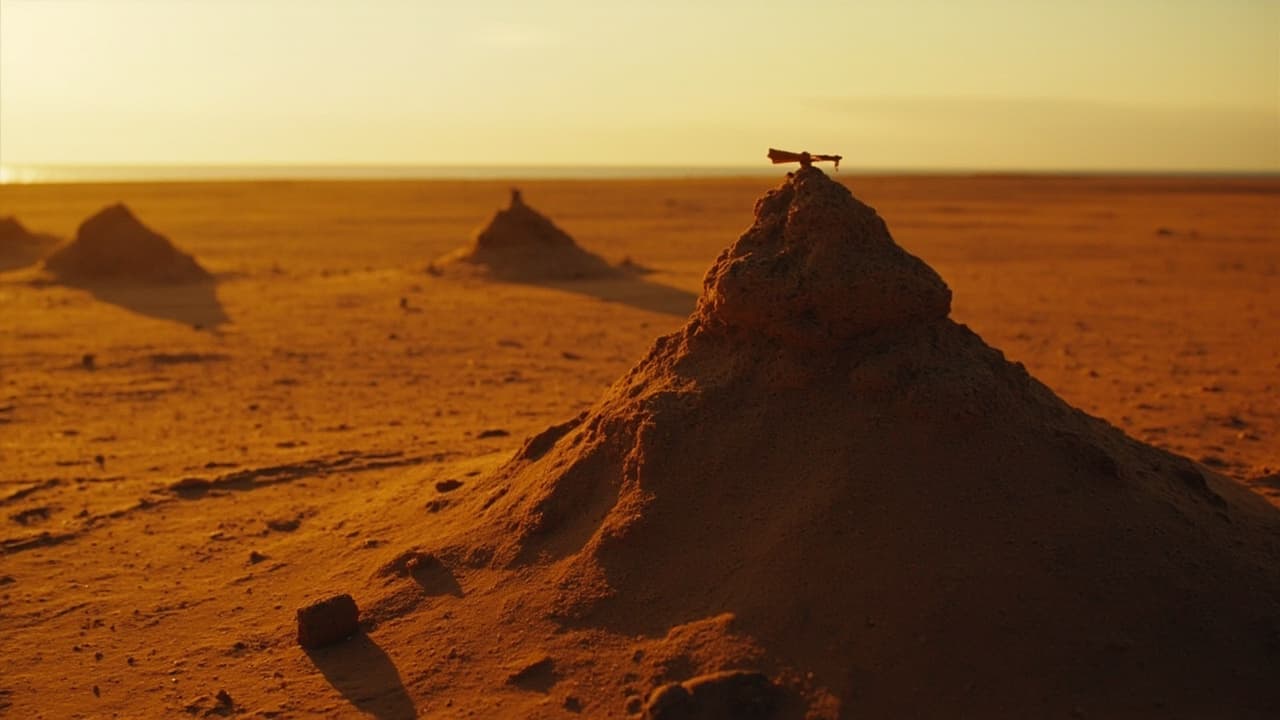
There is no ticket booth, no visitor centre, and no turnstile at most Gobustan mud volcano sites. Access is free. You arrive, walk across the lunar-like clay landscape, and find the nearest active volcano to observe.
The mud varies from thin grey slurry to thick clay depending on recent rainfall and underground pressure. Some vents produce slow, gentle bubbling. Others emit active gurgling and occasional splattering — occasionally reaching heights of several metres during major eruptions. Eruptions are unpredictable and seasonal, most common in spring and autumn.
A short drive or walk from the main volcano cluster, the Gobustan Rock Art Cultural Reserve is worth adding to your day. The open-air museum displays ancient petroglyphs carved into boulder surfaces — some dating back 12,000 years. It requires a separate small entrance fee and adds meaningful depth to the excursion.
Practical Matters and Cost Breakdown
Entry fees. The mud volcano sites themselves carry no formal charge. The Gobustan Rock Art Reserve charges a modest entrance fee — confirm the current rate locally before visiting.
Best season. April through October offers the most consistent access. Winter rains can make unpaved tracks difficult for low-clearance vehicles. Summer heat makes early morning starts essential — aim to leave Baku by 07:00.
Safety. The most important rule: stay well back from crater edges and active vents. Mud temperatures inside some craters approach boiling point. Do not attempt to touch or enter any active vent. Keep children close — the terrain offers no guardrails or marked paths.
Bathroom and facilities. There are no formal facilities at the mud volcano sites. Use restrooms at petrol stations or restaurants on the Baku–Gobustan road before you arrive.
Cost estimate per person (based on two passengers splitting transport):
- Ride-share return: 10–20 AZN
- Group tour: 45–70 AZN
- Food and water: 5–10 AZN
- Gobustan Rock Art entry: 5 AZN (verify locally)
Total estimate: 20–100 AZN per person depending on group size and whether you add the rock art site.
FAQ
How long do I need at the mud volcanoes?
Plan for a minimum of 2–3 hours total at the site. This gives you time to walk between formations, observe activity, and account for short stops for photography. Most travellers combine the visit with Gobustan Rock Art for a half-day excursion.
Does it smell bad at the mud volcanoes?
The smell of hydrogen sulphide — the gas that drives the volcanic activity — is present but generally mild. It becomes more noticeable close to active vents. Most visitors describe it as similar to hard-boiled eggs or a faint sulphur spring. It is not overpowering and does not linger on clothing.
Can I visit Gobustan mud volcanoes without a car?
Yes. Ride-share apps, taxis, and organised tours all depart from Baku and do not require your own vehicle. Public buses reach the Gobustan area but not the specific mud volcano sites, which are several kilometres from the main road.
Are the mud volcanoes dangerous?
They are safe if you follow basic rules: keep a safe distance from crater edges and active vents, do not touch boiling mud, wear sturdy shoes, and do not approach during or immediately after heavy rain when clay surfaces become unstable.
What is the best time of year to visit?
Late March through May and September through October offer the most comfortable temperatures and the best chance of observing active bubbling. Summer visits require very early starts to avoid midday heat exceeding 35 °C.
Do I need a visa to visit Azerbaijan?
Most foreign nationals require a visa. Citizens of many countries can apply online via the e-visa system. Processing tiers on azerbaijan-visa.com range from standard to super-fast. Apply before booking your Gobustan transport.
Key Takeaways
- Azerbaijan hosts roughly 400 of the world's ~1,000 mud volcanoes. Most day-trippers travel from Baku to Gobustan National Park.
- Transport from Baku is straightforward: shared taxi, ride-share, or guided tour. Split costs between 3–4 passengers for the best value.
- Wear closed-toe hiking shoes, long light-coloured trousers, and sun protection. The site is free to enter and has no facilities.
- Budget 20–100 AZN per person for a complete half-day trip. The e-visa application through azerbaijan-visa.com takes minutes — apply before booking transport.
- Combine your visit with the Gobustan Rock Art Cultural Reserve for a richer half-day experience.
Azerbaijan Visa Editorial
Writes about Azerbaijan eVisa requirements, traveler tips, and fastest processing routes for visa applicants.
Ready to apply?
Start your Azerbaijan eVisa application now.