Key takeaway
इस दिन-प्रतिदिन के यात्रा कार्यक्रम के साथ बाकू में चार दिनों की योजना बनाएं, जिसमें पुराने शहर, ज्वाला टावर, अबशेरोन प्रायद्वीप, बाकू बुलेवार्ड और कोबुस्तान की एक छोटी यात्रा शामिल है।
Arrival and Orientation: Days 1–4 at a Glance
Baku surprises first-time visitors with how much it packs into a single city. One moment you are standing inside an 11th-century caravanserai; the next, a glass-and-steel tower shaped like three flames lights up the skyline. The city rises directly from the Caspian Sea, and the contrast between the medieval Old City (İçərişəhər) and the manicured waterfront boulevard gives you two completely different Baku experiences in the same afternoon.
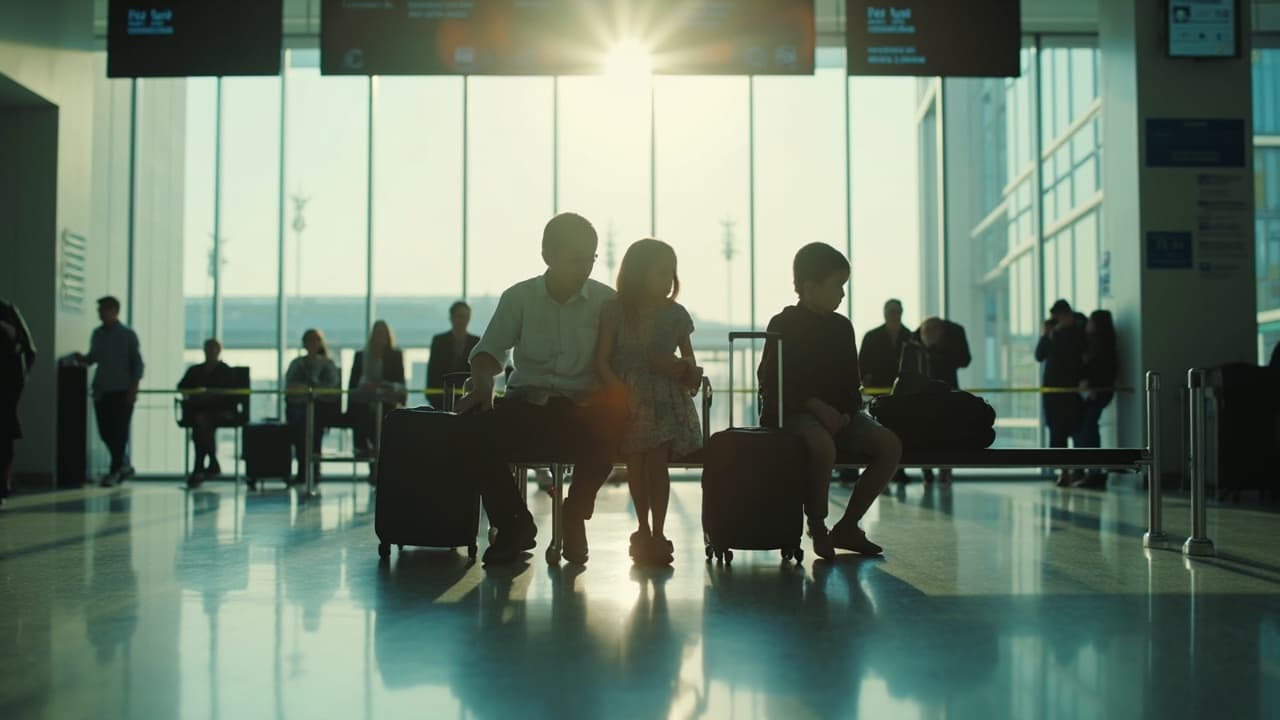
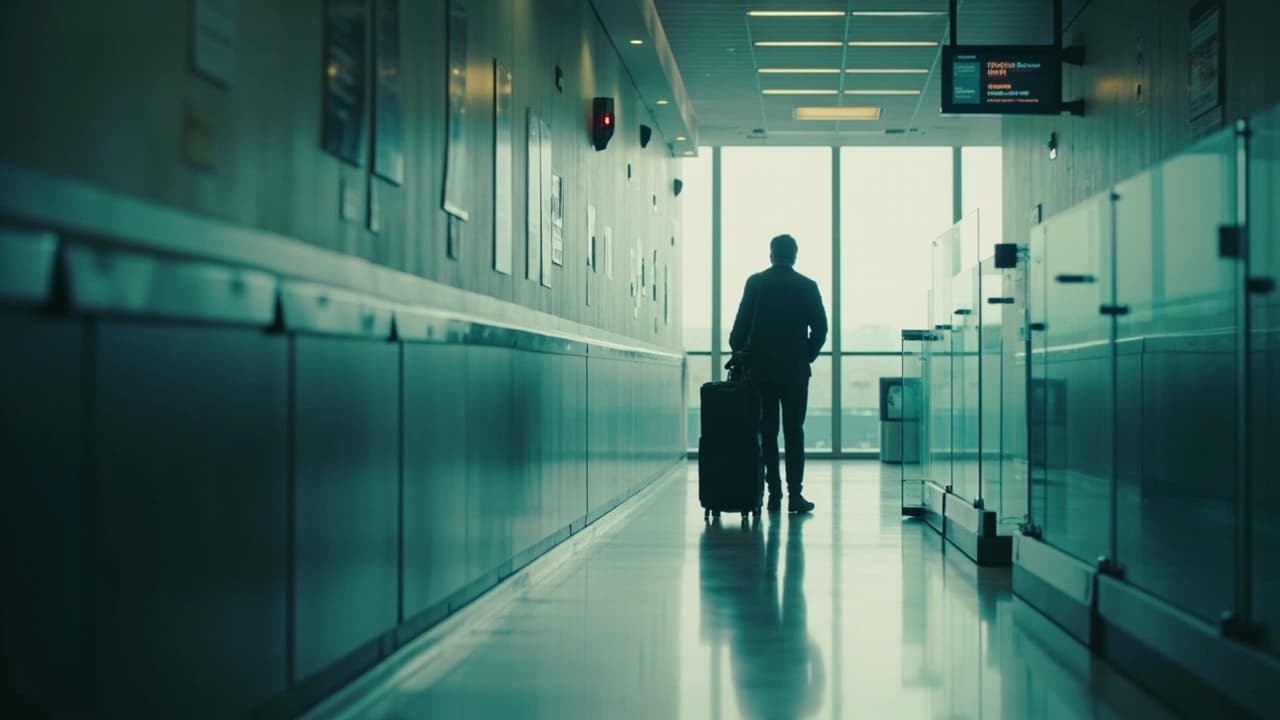
Most travellers enter Azerbaijan through Heydar Aliyev International Airport, 25 kilometres northeast of the city centre. A visa on arrival is available, but applying in advance through /order-now before you depart removes any queuing risk at the airport and lets you start exploring the moment you land.
This four-day Baku itinerary is built for first-time visitors who want a structured plan without feeling rushed. It mixes UNESCO landmarks, natural side trips, and unhurried evenings so you leave Azerbaijan with a complete picture of the country.
Day 1 — Old City, Carpet Museum, and the Boulevard
Morning. Start inside the UNESCO-listed Old City. The 12th-century Maiden Tower and the Palace of the Shirvanshahs are the two signature monuments — allow 90 minutes to explore both without crowding. The narrow lanes between them hide centuries-old bathhouses, teahouses, and the last surviving sections of Baku's medieval city wall. Entry to the Palace grounds costs around 20 AZN; the Maiden Tower is a separate ticket at roughly 15 AZN. Check current Baku travel guide opening hours before you visit, as some sections close on Mondays.
Afternoon. Walk south along the waterfront to the Azerbaijan Carpet Museum, whose distinctive waved exterior was designed to echo a rolled carpet. The collection upstairs traces the history of Azerbaijani carpet weaving — a UNESCO Intangible Cultural Heritage — and the building itself has become one of Baku's most photographed landmarks. From here the Baku Boulevard (also called National Park) stretches 3.5 kilometres along the Caspian Sea, lined with fountains, cafés, and the iconic Miniature Azerbaijan Museum.
Evening. Find a dinner spot along the boulevard with Caspian views. Azerbaijan's food culture deserves a dedicated evening: try plov (saffron rice with dried apricots and chestnuts), lyulya kebab minced off skewers, and lavash-wrapped gutab stuffed with herbs or cheese. The boulevard's western end brings you close to the Flame Towers — three skyscraping towers that shift from amber to deep red at night.
Day 2 — Absheron Peninsula and a Long Evening on the Boulevard
Morning. Hire a driver or take a taxi south toward the Absheron Peninsula (approximately 30 minutes from central Baku). Ateshgah — the Temple of Fire — sits in the village of Surakhany. This fifth-century Zoroastrian sanctuary was built around a natural gas vent that burned continuously for centuries, attracting fire worshippers from India and Iran. The central altar still vents flame today, though Azerbaijan's industrial gas extraction has weakened it. The temple's pentagonal structure and the carved reliefs of saints around the courtyard are unlike anything else in the region.
Mid-morning. Drive a few kilometres further to Yanar Dag — literally "Burning Mountain." A hillside slope seeps natural gas that has burned, in some accounts, for thousands of years. The flames dance along a 10-metre strip of hillside, visible year-round regardless of weather. There is no admission fee, and a small fenced viewing area keeps visitors at a safe distance from the heat.
Afternoon. Return to Baku and visit the Heydar Aliyev Center, Zaha Hadid's swooping white landmark on the city's north side. The building's flowing surfaces were designed to avoid sharp angles, and the permanent exhibition covers Azerbaijan's history, art, and cultural heritage across three floors. It is air-conditioned and spacious — a welcome contrast after a warm morning outdoors.
Evening. This is your long Boulevard evening. Walk the full promenade from the Flag Square in the west past the Musical Fountain Avenue to the Park Boulevard Mall area in the east. Stop for tea at one of the waterfront kiosks, watch the family-culture of Baku unfold along the promenade, and time your finish for sunset over the Caspian Sea.
Day 3 — Culture, Mugham, and a Shopping Stop
Morning. Devote the first half of the day to Baku's museums. The Azerbaijan National Art Museum occupies a restored 19th-century mansion and holds one of the finest collections of Soviet-era Azerbaijani painting alongside antique Persian miniatures and European canvases. A short walk east brings you to the Museum of Miniature Books — a quirky collection of thousands of micro-books from across the world, run by a private collector.
Afternoon. Explore the street market on Torgovly (the old trading street) near Fountains Square. Stalls sell Azerbaijani saffron, dried herbs, pomegranate molasses, silk scarves, and copper handcrafts. Bargaining is expected and friendly. Pick up a small packet of saffron — Azerbaijan's version, grown in the Absheron region, is lighter and floral compared to Iranian varieties.
Evening. Catch a live mugham performance at the Azerbaijan State Philharmonic Hall or one of Baku's cultural centres. Mugham is a UNESCO-listed improvisational music tradition with deep roots in Azerbaijani identity. Tickets are inexpensive and the atmosphere is intimate — often fewer than 100 seats. Alternatively, book a dinner reservation at a rooftop restaurant overlooking the Caspian Sea and close your Baku trip with a proper Caspian fish platter.
Day 4 — Qobustan and the Road Back
Morning. Head south to Qobustan, approximately 60 kilometres from Baku. This semi-desert landscape is home to the Qobustan Rock Art Cultural Landscape, a UNESCO World Heritage Site. Thousands of petroglyphs carved into the boulders and cliff faces depict狩猎 scenes, ritual dances, ships, animals, and astral symbols dating from 40,000 BCE through the medieval period. The on-site museum explains the carvings with labelled photographs and English signage.
Mid-morning. Drive 10 minutes east from Qobustan to the Mud Volcanoes field. Azerbaijan holds roughly half of the world's mud volcanoes, and the Qobustan group is the most accessible. The bubbling grey mud cones are spread across a wide plain — fascinating terrain for photographs and geology enthusiasts alike. Note that access can be restricted after heavy rain; check locally before departing Baku.
Afternoon. Return to Baku. Depending on your departure flight, use the afternoon for final sightseeing — revisit the Carpet Museum shop for a hand-knotted piece, or pick up last-minute spices and tea at Torgovly. Allow at least 90 minutes to travel from the city centre to Heydar Aliyev Airport.
Getting Around Baku and Travel Logistics
Baku's metro is efficient, cheap, and fast — a single ride costs less than a dollar. The Red Line runs north–south through the city centre; the Green Line serves the western districts. Download an offline metro map before you arrive since some stations have limited English signage.
Taxis are inexpensive across the city. Bolt and Uber both operate in Baku and are more reliable than hailing cabs on the street. A cross-city trip rarely exceeds 8–10 AZN.
The international airport is 25 kilometres northeast of the city. A taxi costs roughly 25–35 AZN; airport buses run regularly but are slower. Apply for your visa on arrival in advance to avoid any processing delay when you land.
FAQ
What is the best time of year to visit Baku?
Spring (April–May) and autumn (September–October) offer the most comfortable temperatures — 18–25°C — and smaller crowds. Summers can reach 35°C, which makes sightseeing less pleasant, though the Caspian breeze on the boulevard provides relief.
Is Baku safe for tourists?
Yes. Baku has a very low street crime rate. Standard urban precautions — guarding valuables in crowded markets, using registered taxis — are sufficient. The city is welcoming to visitors and many locals speak basic English in tourist-facing areas.
Do I need Azerbaijani manat (AZN) or can I use US dollars or euros?
The local currency is the Azerbaijani manat. Many hotels, restaurants, and shopping centres accept card payments, but smaller cafés, markets, and taxis prefer cash. ATMs are widely available; exchange rates are better in Baku than at the airport.
How do I get from the airport to central Baku?
A taxi via Bolt costs 25–35 AZN and takes 30–45 minutes depending on traffic. Airport buses run to the city centre more cheaply but are slower and less convenient with luggage. Arrange your Azerbaijan visa online in advance to skip the arrival hall queue.
Can I visit Azerbaijan without a visa?
Citizens of many countries are eligible for a visa on arrival or an e-visa. To guarantee smooth entry and avoid queuing, apply through /order-now before you depart. Processing takes 3 working days for standard and as little as 1 hour for super-fast.
What should I buy in Baku as a souvenir?
Azerbaijani saffron, pomegranate products, copper crafts, and hand-knotted carpets are the most distinctive options. The Torgovly market near Fountains Square has the best range; the Carpet Museum shop sells smaller items with provenance certificates.
Key takeaways
- Baku packs modern European architecture, ancient Persian heritage, and oil-era grandeur into one compact, walkable city — four days is enough to feel it completely.
- The UNESCO Old City and the Absheron Peninsula (Ateshgah and Yanar Dag) are the two must-see highlights no Baku itinerary should skip.
- A long evening on the Baku Boulevard, from Flag Square to the eastern promenade, is one of the Caspian region's best free experiences.
- Apply for your Azerbaijan visa in advance through /order-now — it removes airport queuing and lets you start exploring the moment you land.
- Spring and autumn are the best seasons for Baku tourism: comfortable temperatures, smaller crowds, and better rates at hotels and tours.
Azerbaijan Visa Editorial
Writes about Azerbaijan eVisa requirements, traveler tips, and fastest processing routes for visa applicants.
Ready to apply?
Start your Azerbaijan eVisa application now.