Key takeaway
Составьте целенаправленный 5-дневный маршрут по Азербайджану: два дня в Баку, живописное путешествие по Шелковому пути в Шеки и два дня, посвященные осмотру исторического горного города.
Arrival in Baku
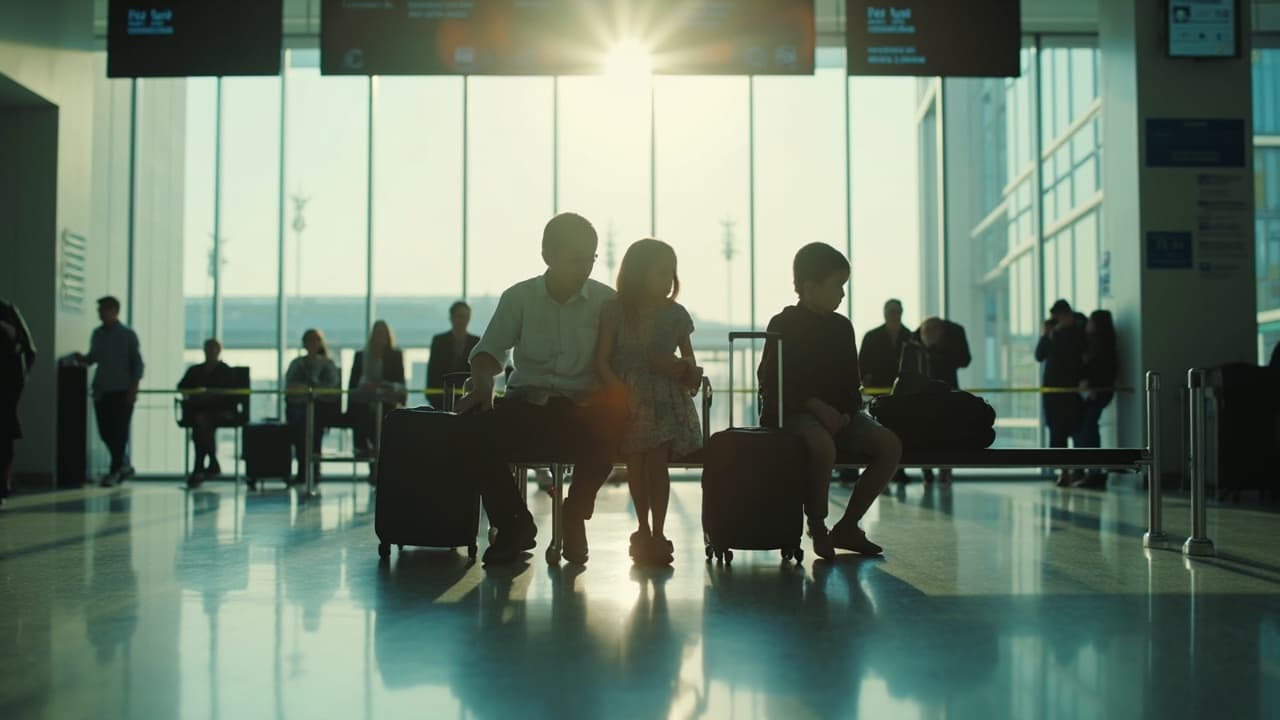
Your Azerbaijan trip starts the moment you land. Complete your visa on arrival at Heydar Aliyev International Airport or apply in advance through azerbaijan-visa.com/order-now — the latter saves you a queue at immigration. Once you're through, take a cab or the Baku Metro into the city centre. Check in somewhere within walking distance of the Old City (Icheri Shahar) to maximise your time.
Taxis in Baku are inexpensive. Use a ride-hailing app or agree on a fare before you set off. The metro is cheap and efficient but doesn't reach the airport directly — budget roughly 45 minutes door-to-door by car.
By evening, ease into the local rhythm with a walk along the Baku Boulevard promenade. The Caspian Sea stretches out to your left. Flame Towers blaze amber above the skyline. Grab a plate of pomegranate-glazed lamb or lavangi (stuffed chicken) at a local restaurant — Azerbaijani cuisine rewards the curious.
Day 2 — Baku's Old City and Modern Highlights
Start early in the UNESCO-listed Old City. The medieval walls, narrow lanes, and covered bazaars feel genuinely unlike anywhere else in the Caucasus. Two sites anchor the morning:
- Maiden Tower (Qız Qalası) — an 8-storey limestone tower whose original purpose remains debated. The upper floors open to city views; the underground chamber holds an interpretive exhibit.
- Shirvanshah's Palace — a 15th-century royal complex of mosques, tombs, and residential chambers carved from pale stone. Its geometric tilework is outstanding.
Spend the early afternoon at the Heydar Aliyev Center, Zaha Hadid's sweeping white wave of a museum on the city's north side. The building alone justifies the visit. Inside, rotating exhibitions cover Azerbaijani culture, art, and the biography of the former president. Allow 90 minutes.
End the day at the Flame Towers observation deck or a rooftop bar on Nizami Street. Baku has a surprisingly lively nightlife scene for a city of its size. If art interests you, the Azerbaijan State Museum of Art is a short walk from Fountain Square.
Day 3 — The Road to Sheki
Depart Baku by 08:00 to make the most of the drive. The route to Sheki covers roughly 300 km and takes five to six hours by shared taxi or inter-city bus. The road climbs out of the lowland Caspian corridor and cuts through the foothills of the Greater Caucasus — the scenery shifts from urban sprawl to rolling steppe to forested mountain slopes in under two hours.
Make one stop in Shamakhi, Azerbaijan's former capital and still a centre of Sufi culture. The Juma Mosque of Shamakhi — rebuilt after a 2012 earthquake — sits at the edge of the old town. The surrounding hillsides are planted with pomegranate orchards and vineyards.
The final stretch winds through mountain passes before descending into the Kish River valley. Sheki appears suddenly, framed by forested slopes. Check in to a traditional guesthouse — many occupy restored merchant houses inside the old bazaar quarter. Stone walls, carved wooden balconies, and warm hospitality are standard.
By late afternoon, walk the Sheki Bazaar. The spice vendors, dried-fruit stalls, and fabric sellers occupy a covered market that has operated for centuries. Sample the local halva and buy a packet of Sheki chocolate (pisti) to take home.
Day 4 — Exploring Sheki
Sheki is compact enough to explore fully on foot. Dedicate the morning to its two essential sites.
Palace of the Sheki Khans (Xan Sarayı) — the 18th-century summer palace of the Sheki Khanate. Its exterior is clad in intricate mosaic faience in deep greens and turquoises. The upper hall features six floor-to-ceiling stained-glass windows (shebeke) made without a single nail or glue. Photos don't do it justice; the light through the glass at mid-morning is exceptional.
The Karvansaray (caravanserai) dates from the same period. Two floors of arched cells once sheltered Silk Road merchants. Today, the ground floor holds craft workshops — copper beating, silk weaving, and leather work. Pick up a hand-beaten copper tray or a length of local silk as a souvenir.
In the afternoon, visit a halva workshop. Sheki's version — called pista, after the pistachios that flavour it — is denser and less sweet than Turkish or Greek equivalents. The workshops are small family operations; you're welcome to watch the stirring process and buy direct.
End the day on the hillside above the old town where the Kish Albanian Church overlooks the valley. The 1st-century stone ruins are modest, but the setting and the surrounding village make a peaceful hour before dinner.
Day 5 — Return to Baku and Departure
Take a morning shared taxi or pre-arranged driver back to Baku (5–6 hours). If your flight is late evening, you have the afternoon free. Use it strategically:
- Browse the Taza Pir Mosque and the Fountain Square shopping district for last-minute gifts — Azerbaijani carpets, pomegranate wine, and saffron are reliable buys.
- Return to Baku Boulevard for a final Caspian sunset walk.
- Skip the last museum and simply sit in a Nizami Street café with a glass of black tea and a plate of paklava.
Depart from Heydar Aliyev International Airport. Allow three hours from central Baku for international flights.
FAQ
Do I need a visa for Azerbaijan? Most nationalities require a visa. You can apply online through azerbaijan-visa.com/order-now for an e-visa, which is approved within 3 working days for standard processing.
How do I get from Baku to Sheki? Shared taxis (marshrutkas) and inter-city buses depart from Baku's central bus stations. A private driver is more comfortable and allows stops along the route. The journey takes 5–6 hours by road.
What is the best time of year for this itinerary? Spring (April–May) and autumn (September–October) offer mild temperatures in both Baku and Sheki. Summers are hot in Baku; winters can bring snow to the Sheki mountain roads.
Is Azerbaijan expensive for travellers? Azerbaijan is relatively affordable. Baku restaurant meals cost AZN 10–25 per person; Sheki is cheaper. Accommodation ranges from budget hostels to boutique hotels; expect AZN 50–120 per night for a mid-range room.
What language is spoken in Azerbaijan? Azerbaijani (a Turkic language) is official. Russian is widely spoken, especially in Baku and with older generations. English is growing in tourist-facing businesses but carry a translation app as backup.
Can I use a credit card in Sheki? Credit and debit cards are accepted at hotels and larger restaurants in Sheki, but cash (AZN) is essential for the bazaar, workshops, and small cafés. ATMs are available in the town centre.
Key takeaways
- Sheki deserves at least 1.5 days — its khanate palace and mountain setting are worth slowing down for.
- Baku packs UNESCO Old City charm with world-class modern architecture, best experienced on foot in the evening.
- The Baku–Sheki road through the Caucasus foothills takes 5–6 hours by shared taxi or bus.
- Azerbaijan's currency, the AZN, goes far for budget travellers; carry small cash for Sheki's markets and workshops.
- Apply for your Azerbaijan e-visa through azerbaijan-visa.com/order-now before booking flights — most nationalities receive approval within 3 working days.
Azerbaijan Visa Editorial
Writes about Azerbaijan eVisa requirements, traveler tips, and fastest processing routes for visa applicants.
Ready to apply?
Start your Azerbaijan eVisa application now.