Key takeaway
Впервые в Азербайджане? Узнайте, как пользоваться манатом, где его обменять, какие карты работают и как избежать мошенничества с деньгами, прежде чем отправиться в поездку.
If you're visiting Azerbaijan for the first time, sorting out your money is one of the first practical steps you need to take — and it pays to get it right before you land. The Azerbaijani manat (AZN, symbol: ₼) is the country's official currency, and understanding how it works will save you from overpaying, getting stuck without cash, or falling for common traveller scams. This guide covers where to exchange, how ATMs work, where cards are accepted, and the scams to dodge. Ready to sort your finances? Apply for your Azerbaijan visa at /order-now and start your trip on solid ground.
What Is the Manat?
The Azerbaijani manat has been the country's currency since 1992, with a redenomination in 2006 that brought the current code AZN into use. As of [verify with team], 1 USD trades at roughly 1.7 AZN and 1 EUR at approximately 1.85 AZN — check your bank or a reliable source for live rates before departure.
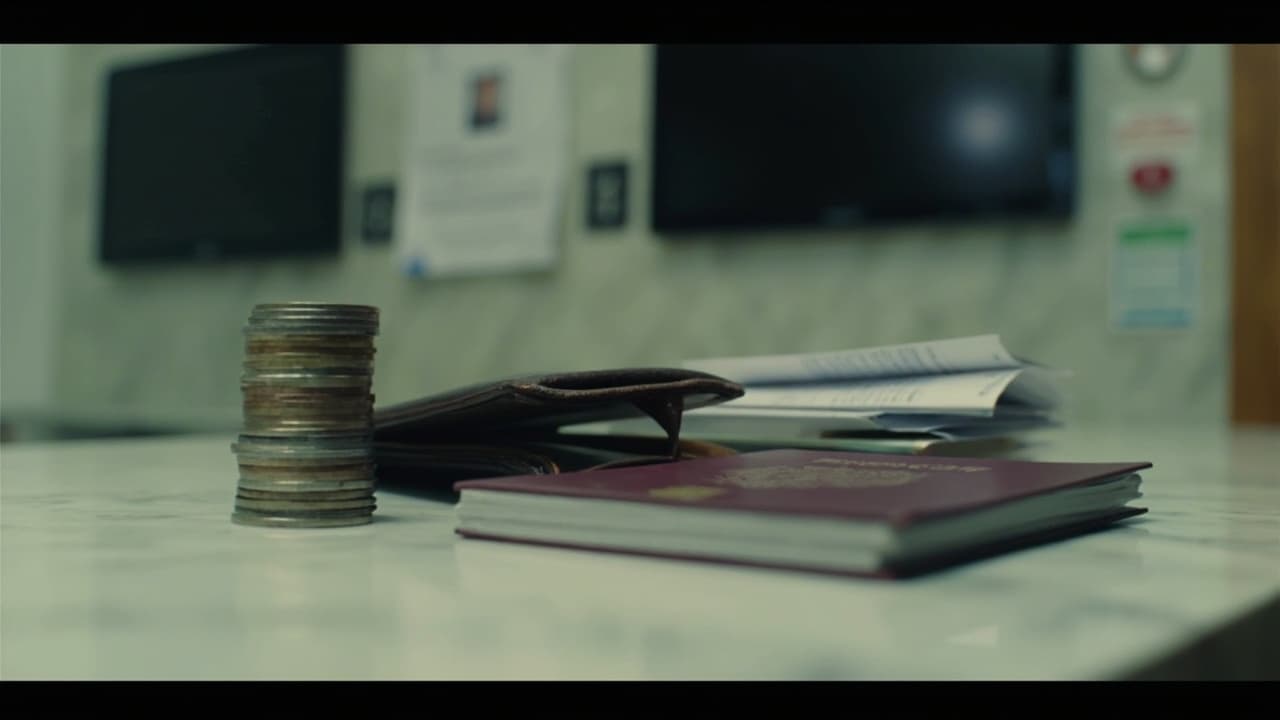
Banknotes come in denominations of 1, 5, 10, 20, 50, and 100 manat. Coins cover smaller amounts: 1, 3, 5, 10, 20, and 50 qəpik. You'll rarely deal in qəpik coins as a traveller — most prices are rounded to the nearest manat. Unlike euros or dollars, there are no convenient sub-units with their own symbols, so mentally thinking in whole manat makes budgeting straightforward.
Where to Exchange Your Money
Getting manat before arrival — or immediately after — is essential. Outside Baku, manat is almost always the only currency accepted, and even in the capital, change is frequently given in local currency regardless of how you pay.
The best exchange rates come from dedicated exchange bureaus, not banks, airports, or hotel front desks. In Baku, you'll find exchange offices along Bəsti Bağırova, in the old city (İçərişəhər), and near the port. These bureaus are typically open 09:00–18:00, seven days a week. Rates between competitors can vary by 1–2%, so it pays to compare.
US dollars and euros are the easiest currencies to exchange. GBP, RUB, and TRY are also accepted at larger bureaus, though the rates are less favourable.
Exchange rates to skip:
- Airport exchange kiosks — convenient, but consistently offer the worst rates. Exchange only a small amount (enough for a taxi or a meal) at the airport if needed.
- Hotels — rates are poor and commissions are high. Use them only as an absolute last resort.
ATM Strategy
ATMs are the easiest way to get manat on the ground, and Baku's ATMs are generally reliable. Visa and Mastercard are accepted at the vast majority of machines, with Maestro and UnionPay also workable in many locations.
Key ATM rules for Azerbaijan:
- Check your bank's fee structure. International withdrawals typically cost 1–3% of the transaction plus a flat fee (often 3–5 AZN per withdrawal). Your home bank may also charge a foreign-transaction fee — factor this into how much you withdraw per visit.
- Inform your bank of your travel dates and destination. Many Western banks flag unexpected foreign transactions as fraud and freeze accounts. A five-minute call before departure prevents a lot of stress.
- Choose AZN, not your home currency. When an ATM or payment terminal offers to charge you in dollars or euros, decline. This is called dynamic currency conversion (DCC), and the exchange rate applied is almost always worse than the real interbank rate.
- Rural and regional areas have fewer ATMs. If you're heading to Qəbələ, Şəki, or Quba, withdraw cash in Baku or a regional centre before you go. Carrying 2–3 days' worth of manat is a sensible buffer.
ATM withdrawal limits in Azerbaijan typically range from 200 to 1,000 AZN per transaction, depending on the bank and your card type. Withdraw moderate amounts to minimise per-transaction fees rather than small sums frequently.
Card Acceptance: Where Your Cards Work — and Where They Don't
Baku is increasingly card-friendly. Major hotels, international restaurants, shopping centres, and large supermarkets accept Visa and Mastercard without issue. Contactless payments via Apple Pay and Google Pay work at many modern terminals in the capital.
Where cards are unreliable or not accepted:
- Traditional bazaars — especially the Hourly Bazaar (Saatli) and Təzə Bazaar in Baku, cash is the only option
- Small restaurants and cafés outside central Baku
- Most taxis — insist on cash, and agree on a price before you ride
- Regional transport — marshrutka minibuses and rural buses run on cash only
- Small shops in residential neighbourhoods
Before you go, confirm with your bank that international withdrawals and card-present transactions in Azerbaijan are enabled. Some banks require you to activate travel mode explicitly.
Common Scams and How to Dodge Them
Azerbaijan is a relatively safe country for travellers, but a few money-related tricks target visitors. Knowing them in advance means you'll never be caught out.
The Hidden Surcharge Scam
Some ATMs and point-of-sale terminals — particularly in tourist-adjacent areas — offer to display prices in your home currency rather than AZN. This is DCC (dynamic currency conversion) by another name. The displayed amount is almost always higher than the true cost in manat. Always select AZN. If the machine doesn't give you a choice, cancel the transaction and find another terminal.
The Fake Money Changer
On rare occasions, travellers encounter individuals claiming to be private money changers near exchange bureaus or banks. They may claim to offer better rates or to avoid queue times. Do not engage. Exchange only at licensed, staffed bureaus. Counterfeit manat does circulate, and licensed bureaus are legally obligated to replace genuine notes — a private dealer is not.
The Short-Change Trick
A well-documented complaint involves cash transactions where a vendor, when presented with a larger note, deliberately counts out change slowly or miscounts — then claims the customer miscounted. Count your change carefully and aloud before putting your money away. It is not rude in Azerbaijani culture to be precise about cash.
FAQ
Is the US dollar accepted in Azerbaijan? No. While some high-end hotels and tour operators may accept USD for billing purposes, AZN is the only legal tender for everyday transactions. You need manat for almost everything outside the capital's largest hotels.
Where is the best place to exchange money in Baku? Dedicated exchange bureaus in the city centre offer the best rates. Look for staffed offices along Bəsti Bağırova, in İçərişəhər, or near Nizami Street. Avoid airport kiosks and hotel desks, which consistently offer the worst rates.
Can I use euros in Azerbaijan? Euros are not legal tender in Azerbaijan. You can exchange EUR for AZN at exchange bureaus, but US dollars are generally easier to exchange and often receive slightly better rates.
How much cash should I bring? For Baku, a moderate amount — 50–100 AZN per day — covers cash-only expenses like taxis, street food, and bazaar purchases. In rural areas, carry 2–3 days' cash at a time since ATMs are sparse.
Is manat accepted outside Azerbaijan? No. The Azerbaijani manat is not an internationally traded currency. You cannot exchange it easily outside Azerbaijan, so spend or exchange all remaining AZN before you leave the country.
Can I use my credit card throughout Azerbaijan? Credit cards are accepted at hotels, large restaurants, and supermarkets in Baku, but cash is essential at bazaars, small eateries, taxis, and virtually everywhere outside the capital. Carry a backup of AZN at all times.
Is tipping customary? Tipping is appreciated but not obligatory. At sit-down restaurants, rounding up or leaving 5–10% for good service is a kind gesture. It is not expected at fast-food outlets or casual cafés.
Key Takeaways
- The Azerbaijani manat (AZN, ₼) is the only legal tender. Carry small notes for everyday purchases — many vendors prefer exact change.
- Exchange at dedicated exchange bureaus in the city for better rates. Avoid airport kiosks and hotel front desks, which consistently offer the worst deals.
- ATMs are widely available in Baku but thinner on the ground in regions. Inform your bank before travelling to avoid blocked withdrawals.
- Credit and debit cards work at most hotels, restaurants, and supermarkets in Baku, but cash is essential at bazaars, small eateries, and outside the capital.
- Decline dynamic currency conversion at ATMs and payment terminals. Always choose to be charged in AZN to get the real exchange rate.
Azerbaijan Visa Editorial
Writes about Azerbaijan eVisa requirements, traveler tips, and fastest processing routes for visa applicants.
Ready to apply?
Start your Azerbaijan eVisa application now.